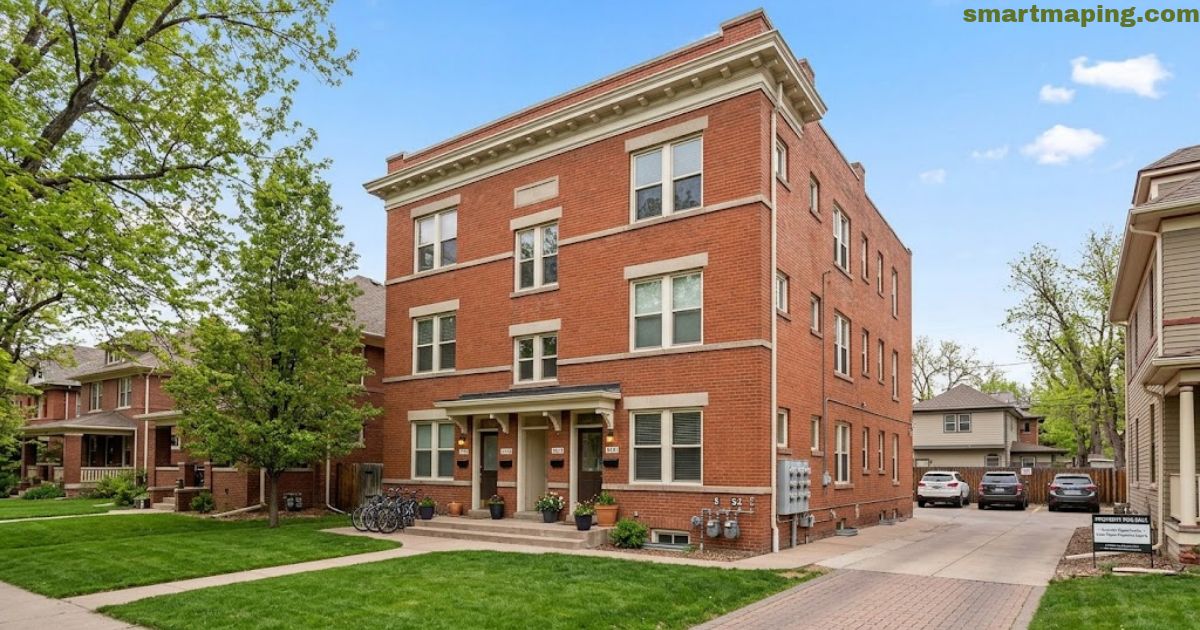
Triplex properties give every real estate investor three rentals under one roof, and Denver has plenty of them. This guide from Local Triplex Properties Experts In Denver explains the numbers, rules, and helpers you need. You will finish knowing what to check before you buy.
What Is a Triplex Property?
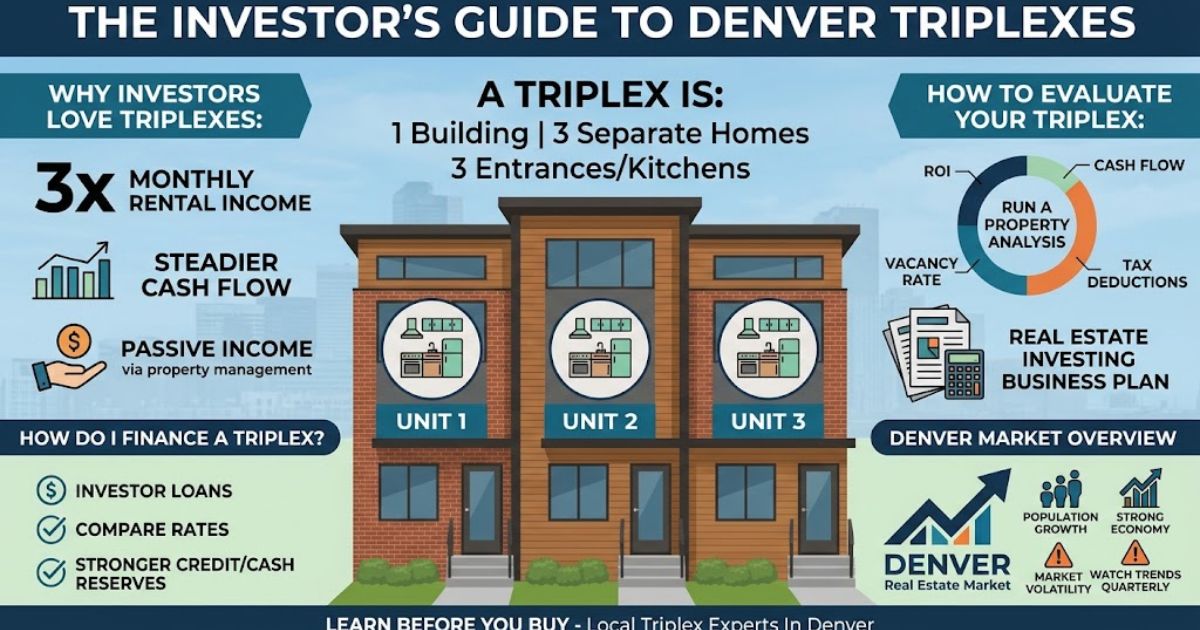
A triplex is one building with three separate homes, each with its own kitchen and entrance. Owners call it a triplex investment property because every home produces rent. It sits between a duplex and a fourplex, which some people call a quadplex.
A multi-family property means any building with two or more homes, and a multi-unit property means the same thing. Lenders usually treat a multi-unit dwelling this small as residential, not commercial. That makes it friendlier than large apartment buildings for a first purchase.
How Does a Triplex Differ From Other Rentals?
A triplex gives you three rents at once, while a single-family home gives you only one. A townhome or one of the condos also gives you one rent. Most Denver investors file triplexes under small multifamily, which sits below the big complexes.
Denver also has the half duplex, where two owners split one building, and the up/down duplex, where one home sits above the other. Some owners add an accessory dwelling unit (ADU) for extra rent. Residential multi-family investing covers all these shapes, so pick the one that fits your budget.
Why Do Investors Love Triplexes?
Investors love triplexes because three tenants pay rent on one rental property. That creates multiple income streams and steady cash flow each month. Even when one home sits empty, two still pay, so your monthly rental income stays steadier than with one house.
As an investment property, a triplex builds passive income when you hire good help. It also offers appreciation potential and long-term appreciation as Denver grows. Each one strengthens your real estate portfolio and adds portfolio diversification.
How Much Can a Denver Triplex Earn?
One public case study from The FI Team shows a $630,000 duplex in Sloans Lake that earned $983 monthly profit. That works out to a 4.41% cash-on-cash return. A third unit can push your return on investment (ROI) higher, though prices rise too.
Run a property analysis and a rental analysis before you make an offer. Test each number with an ROI calculator, a cashflow calculator, a rent vs. sell calculator, and a vacancy calculator. Then compare your results against a case study like that one.
What Tax Perks Help Triplex Owners?
Triplex owners enjoy tax benefits because many costs reduce taxable income. You can claim tax deductions for repairs, insurance, and loan interest, and you can deduct property taxes. Ask a licensed CPA about your exact situation, since tax rules change often.
Landlord insurance covers risks like fire and liability, and most lenders require it. Sellers can defer taxes through a 1031 exchange when they buy another qualifying property. Denver Investment Properties even asks buyers on its form whether they need that exchange.
What Is House Hacking With a Triplex?
House hacking means you live in one unit and rent the other two. Tenant rent can cover much of your mortgage and move you toward financial independence. An FHA loan can require just 3.5% down, which helps you build wealth early.
Other plays include the BRRRR strategy, a fix and flip, and tapping home equity to buy again. You can also try rent-by-the-room, co-living, mid-term rentals, or short-term rentals for higher income. A rent-to-own setup suits some owners too.
How Do I Finance a Triplex?
Start with mortgage lenders that offer investor loans for buildings with up to four units. Compare rates, down payments, and fees from at least three lenders before you commit. Strong credit and healthy cash reserves help you win better terms.
Some owners sell through off-market deals, so ask around early. A steady deal flow from trusted agents saves months of searching. Denver Investment Properties says it has partnered with investors for over 20 years, and an investor-friendly agent can open similar doors.
What Does the Denver Market Look Like Right Now?
Denver offers a growing population, a strong economy, and a stable rental market, according to Denver Investment Properties. Those traits support rents and prices over time. Still, watch market trends and market stats each quarter before you commit.
Follow the Denver real estate market closely, because Evernest reports four straight quarters of falling condo prices. Study the Denver rental market, rental trends, and average rent by neighborhood too. Market volatility hits fast, so predictive analytics and a risk assessment keep your plan realistic.
Which Denver Neighborhoods Suit a Triplex?
Look at emerging neighborhoods first, since prices there may still climb. Local listings and reviews mention Berkeley (NW Denver), South Broadway (SoBo), Washington Park, and Cherry Hills Village. Each area attracts different tenants and rent levels, so compare them carefully.
Browse Denver neighborhoods one by one, then widen your search to Denver suburbs like Aurora, Castle Rock, Westminster, and Golden. Offices near Greenwood Village and the Denver Tech Center draw working tenants. Walters & Company manages buildings across the Denver metropolitan area and Colorado Springs.
What Zoning Rules Apply to Triplexes?
Denver uses zoning to decide what you can build or rent. The Denver Zoning Code lists every rule, so read it before you buy. Check the zoning districts for your lot and confirm the unit count with the city.
R-2 zoning allows low-density multifamily housing. According to The FI Team, R-2-A permits single-family and two-family homes, while R-2-B adds buildings up to four units. Owners who pursue single-family to multi-family conversion should verify every rule with city officials first.
What Laws Must Colorado Landlords Follow?
Colorado landlord-tenant law and Denver’s local rules shape how you run a triplex from day one. These landlord-tenant laws cover deposits, notices, repairs, and fair treatment. Ignore them, and you risk fines or lawsuits, and Colorado keeps adding new rules.
A new habitability law sets repair standards, and updated security deposit laws limit your deductions. Rent increase laws demand proper notice, while a 3-day notice to quit starts a nonpayment case. Your lease agreement, lease administration files, eviction management plan, and eviction protection coverage back you up.
What Risks Come With a Triplex?
Triplex risks include market saturation risk, management risk, tenant risk, and regulatory risk. More units create more chances for problems and more chances for rent. The FI Team still calls multi-family a fit for risk-averse investors.
Expect tenant turnover, late or missed payments, some property damage, and seasonal demand fluctuations. Track your vacancy rate, because lower vacancy rates protect income, and Keyrenter Denver reports under 5% across its managed homes. Strong regulatory compliance, fair Equal Housing Opportunity practices, and clear rules for Section 8 housing and service animals / emotional support animals help you minimize risk and give you protection from lawsuits.
Is It Worth Hiring a Property Manager?
Yes, most owners gain from a property management company. A property manager handles rent, repairs, and tenant problems, so you keep your weekends. Hiring a professional property manager helps you save time and save money, especially with Denver property management pros who know local rules.
Full-service property management covers tenant placement, tenant screening, resident screening, and rent collection. Evernest runs in-house underwriting and in-house maintenance with licensed and insured technicians. Many firms add automated rent collection, maintenance requests, and a resident portal.
How Much Does Property Management Cost?
Most companies charge a property management fee based on a percentage of rent, plus a leasing fee. Pioneer charges one month’s rent to lease, while Colorado Realty and Property Management charges half. Demand transparent pricing in writing before you sign.
Watch for extras like lease renewal fees, move-in / move-out inspections, and financial reporting. Ask about portfolio accounting if you own several buildings. Property management software, technology integration, and an owner portal let you check numbers anytime.
How Do I Choose a Local Triplex Expert?
Pick someone with local expertise, real years of experience, and a solid reputation. Check Google reviews, testimonials, and a Better Business Bureau (BBB) rating. Evernest, for example, lists over 18,000 reviews on Google averaging 4.4 stars.
Look for NARPM membership, professional certifications, and ties to the Colorado Landlords Coalition or the National Association of Realtors. A brokerage with a real estate agent who serves investors can also guide your purchase. Expect responsive communication, transparent communication, great customer service, a 24/7 hotline, and proven systems.
What Results Should a Good Manager Deliver?
A good manager pushes toward higher occupancy and sets competitive rental rates. They use strategic marketing, showing and leasing staff, and resident retention to chase maximum occupancy. You should see fewer empty months, fewer surprises, and clearer monthly statements.
They increase income, maximize returns, and maximize property value. They protect your investment, reduce expenses, and keep predictable expenses in place of nasty surprises. Strategic consulting adds hands-on attention and peace of mind.
How Do Triplexes Save Money on Upkeep?
Triplexes often cost less per home to maintain, which creates economies of scale. One roof and one lot serve three households, so each big repair spreads across three rents. Still, plan for wear and tear, because more tenants mean more daily use.
Handle repairs and renovations with licensed pros, and favor proactive maintenance over emergency fixes. Choose renovations that boost ROI, like kitchen updates and fresh flooring. Any renovation plan can include smart home features, which many renters like.
Who Rents Triplex Homes in Denver?
Study tenant demographics around your target street before you buy, including age, income, and commute patterns. The FI Team says multi-family homes see lower vacancy because they offer more affordable housing options. Match your rent to what local households can pay.
Set a clear pet policy / pet rent plan before you advertise. Evernest explains the difference between a pet fee, a deposit, and monthly pet rent on its blog. Clear rules keep tenants happy and cut disputes.
Can Out-of-State Investors Buy a Triplex in Denver?
Yes, out-of-state investors can buy in Denver, and Evernest publishes tips for them. Hire local pros, tour the property by live video, and verify every detail through trusted partners. Use landlord software to track rent from anywhere.
Ask agents about every triplex for sale in Denver, including new developments and foreclosure deals. Denver Investment Properties lists foreclosure and new-build categories on its site. Fast offers and local advice give you a competitive advantage.
Faqs
How Do I Start With a Free Review?
Many Denver firms offer a free consultation and a free rental analysis, so ask for both. A manager reviews your building, estimates rent, and explains fees at no cost. A Level Up Property Management, for example, advertises a free property consultation.
Multi-family property management works best when the firm knows your building size. Walters & Company focuses on small to mid-size multi-family communities, and A Level Up lists triplexes among its managed property types. Match your triplex to a team with that experience.
What Else Should I Know Before Buying?
Is a Triplex a Good First Investment?
Yes, it can be, especially if you live in one unit. Living there lowers your housing cost while you learn the business. Start small, run the numbers twice, and hire help early.
Compare at least five buildings before you make an offer. Walk each unit, request twelve months of rent records, and read every lease. Those steps catch problems that photos hide.
How Long Does It Take to Buy a Triplex?
Most closings take about 30 to 45 days after the seller accepts your offer. Inspections, appraisals, and loan approval set the pace. Organized paperwork speeds everything up.
Start your search early and line up your lender first. Sellers take pre-approved buyers more seriously. That preparation often decides who wins a good building.