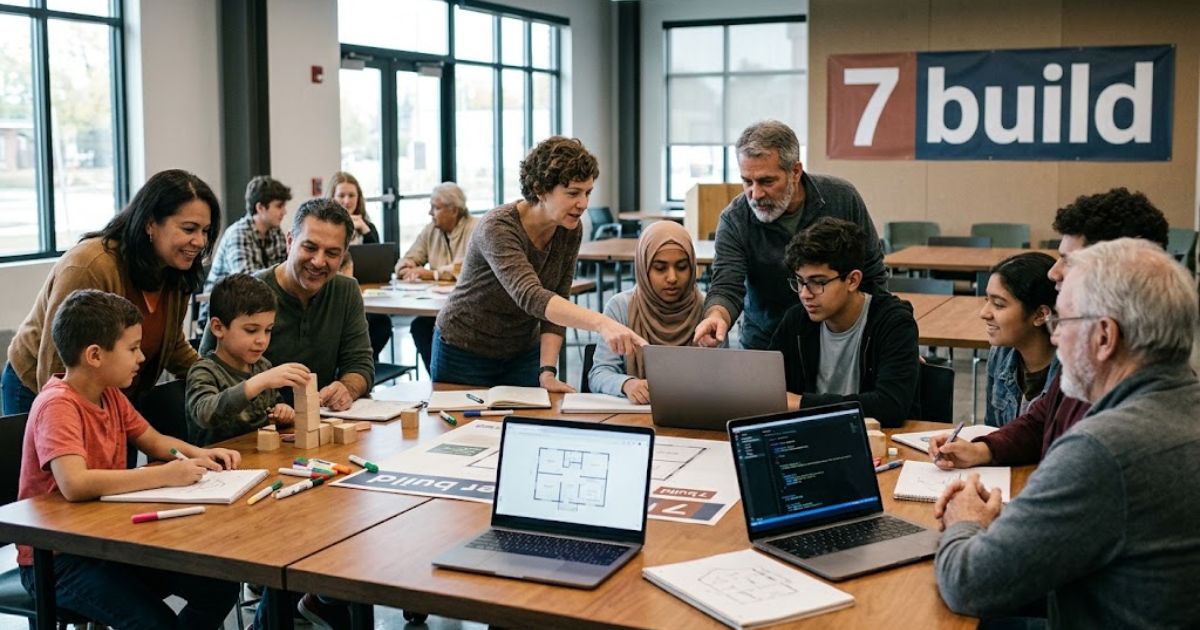
The 7 build blocks of resilience known as the seven Cs help young people navigate stress, learn skills, and recover after a fall. When schools and communities offer connection and security, young people build character, integrity, and a clear sense of right and wrong, and they find creative solutions instead of quick fixes. Adults who show gratitude and respect instead of condemnation and shame guide teens toward competence, confidence, contribution, healthy coping strategies, wise choices, and a real sense of control, and they link privileges to responsibility, support well-being, and teach coping and control.
7 build Competence, Real-World Mastery, and Empowering Children to Handle Life’s Challenges
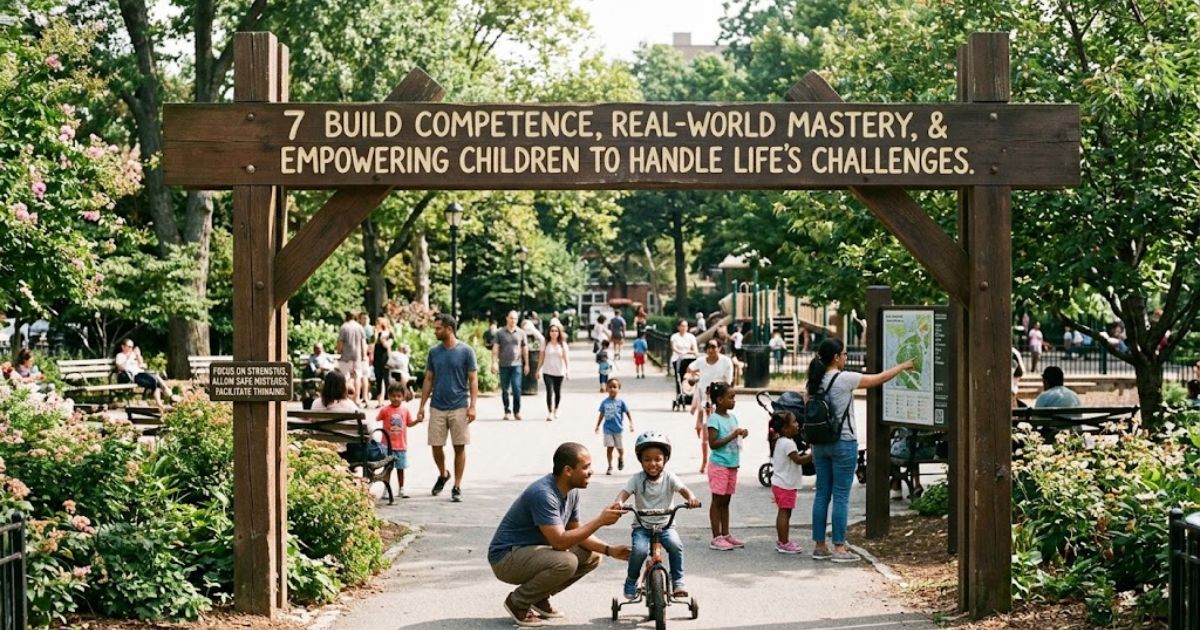
Competence is the know-how and ability to handle situations, not a hunch or a vague feeling, because children earn it through experience in the real world. A parent who wants to empower a child should focus on strengths, allow safe mistakes instead of fixing every trip and fall, and facilitate thinking rather than lecture, since too much interference makes kids doubt their judgments. Each child needs educational skills, social skills, and stress-reduction skills to 7 build trust, make responsible choices and decisions, and face difficult situations, so I avoid comparison between siblings, protect their own competencies, and never count mistakes as failures.
Confidence Building Authentic Belief in Abilities Through Real Competence
True confidence is a belief in your abilities, and it grows from competence shown in real situations, not from self-esteem talk that calls kids special or precious. Parents who help children find islands of competence raise kids who feel safe, protected, and capable, so they dare to try new ventures, make sound choices, and meet challenges with security and clear expectations. I set realistically high expectations, name best qualities like kindness, fairness, persistence, and integrity, give authentic praise for specific achievements instead of diffuse praise, and when I criticize or correct, I treat the developing human as generous and helpful and avoid shame.
Connection Strengthening Family Bonds and Community Support for Emotional Security
Family is the central force in a young life, so home should give physical safety, emotional security, and unconditional love that let children and teens show all their emotions. Connection to school, friends, neighbors, and the community, plus civic groups, athletic groups, religious groups, cultural groups, ethnic groups, and educational groups, gives a sense of belonging in the wider world, builds strong values, pride, and independence, and keeps kids away from destructive alternatives.
I put phones away, switch off the television and entertainment center, and set up a common space for family time, where we settle conflict, welcome emotional support, treat developmental phases calmly, and build healthy relationships that add safety and security.
Character Developing Integrity and Values
Character starts with a sense of right and wrong, and children who hold it make wise choices, grow into stable adults, and contribute to the community. I model a caring attitude, think of others’ needs before my decisions and actions, and explain how behavior affects people, so kids see themselves as a caring person and look past immediate satisfaction and selfish needs. I reject divisive statements, hateful statements, racist statements, stereotypes, and ethnic stereotypes, and I let kids shape their own values, spirituality, self-worth, and confidence.
Contribution Fostering Purpose and Generosity
Contribution gives children a sense of purpose that can motivate them, and it builds character, competence, and connection along the way. Teens who serve their communities hear thank yous instead of condemnation and low expectations, and they learn that serving others feels good. I explain at fitting age levels that many people in the world lack money, freedom, security, and human contact, I show generosity with my time, I point to adults who act as role models, and I create opportunities so each child can improve the world.
Coping
Children, tweens, and teens with a wide repertoire of positive coping strategies and adaptive coping strategies handle stress and challenges better, because coping protects them from unsafe behaviors. Strong feelings and distressing feelings are normal, and mental health depends on how kids manage them, so I teach the gap between a real crisis and an emergency that only feels big, and I treat risk behaviors as attempts to ease pain, since shame only feeds negativity.
I model problem-solving, exercise, good nutrition, adequate sleep, relaxation techniques, and stress-reduction skills, I save energy instead of reacting impulsively, I make wise decisions, and I back imaginative play, fantasy, and creative expression in a family environment where talking, listening, and sharing feel safe.
Control
Control helps children bounce back, because a resilient child knows internal control shapes results and outcomes, while a child who sees only external control turns passive, pessimistic, or even depressed. Parents who treat discipline as teaching, not punishing, show kids that actions bring consequences, and they explain that life is not made of purely random events and that kids bear no blame for bad circumstances like divorce or separation. I celebrate small successes, take the future step by step, help kids shift the odds through positive behaviors and protective behaviors, reward responsibility with privileges, and point out the difference that good choices and decisions make for competence and confidence.
1. Take time to design and get it right
Plan your home with care and design every detail, because good planning lets you use the full space of your house. Extra millimetres can become storage space, so I prioritise what the family needs most. Stay realistic, since what you want and the price often differ.
2. Give yourself in-depth knowledge
Do your own research to gain in-depth knowledge of your project, because it gives you insight into the construction procedure. Read magazines, attend building shows, and browse the web to learn the key elements. This effort helps your house turn out perfect.
3. Choose professionals wisely
Choose professionals wisely, from the architect to the joiners, because the right team pays off in the long run. A good architect who knows your plot and land will design your house with creative flair. That skill brings benefits and the latest trends.
4. Make sure the plot is the one for you
Check the plot before you buy, especially in a new area. Think about local schools for your children, employment opportunities, and affordability. Watch planning permission when you pick your future patch.
5. Can you find a way to complete the task yourself?
Try to complete the task yourself for simpler tasks in the development process. This can mean money saving of a significant amount. It also feels enjoyable and entertaining.
6. Keep looking around for better prices
Patience pays off when you keep searching for better prices. Haggling feels fine, and you might strike lucky with a bargain. That saving can reach thousands of pounds.
7. Have fun
Have fun, because this once in a lifetime opportunity lets you plan, design, and build your dream home. Stress may show up during the construction process, but you keep going. You end with a beautiful home, plus pride and satisfaction as you watch the house grow.
WHY THIS MATTERS NOW
In the AI era, AI writes code faster than any human. It cannot decide what to build, so engineers who master architectural patterns do best. This framework gives you understanding of every system.
AI WRITES CODE, YOU DESIGN SYSTEMS
AI tools generate implementation, and you provide the architecture. You compose the building blocks into systems. That skill matters most.
SAME PATTERNS EVERYWHERE
Instagram, Netflix, Uber, Slack, and Stripe sell different products. Each system still rests on the same 7 building blocks. Learn the pattern once and the 7 blocks apply anywhere
FREE AND OPEN SOURCE
The framework is free and open source, with no account required. Read the articles and try the challenges. Use it in your work and interviews.
7 build The Universal Software Building Blocks
Every software system relies on 7 build fundamentals. Two handle tasks, and five handle storage. Together they model any system.
Frequently Asked Questions (FAQs)
Q1: What are the key benefits of using 7 build for home projects?
A: It simplifies project planning, improves structural design efficiency, and ensures seamless execution for residential builds.
Q2: How do I choose the right design layout for my residency?
A: Consider your space requirements, natural light availability, lifestyle needs, and long-term maintenance costs.
Q3: What factors affect the total cost of construction?
A: Material quality, site location, labor rates, architectural complexity, and permit fees all impact the final budget.
Q4: How can modern home designs improve energy efficiency?
A: Incorporating high-grade insulation, smart thermostats, energy-efficient windows, and solar panels significantly reduces power consumption.
Q5: Why is 7 build a preferred choice for modern residential construction?
A: It combines high quality standards with cost-effective planning, helping homeowners achieve modern, durable, and comfortable spaces.