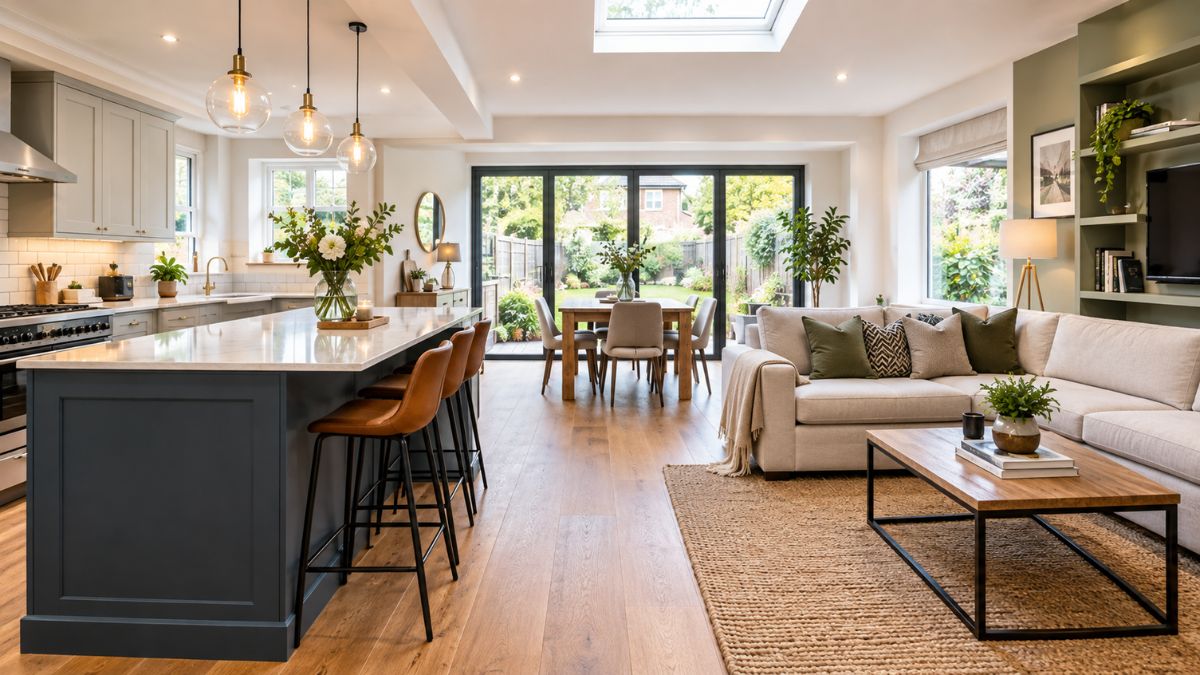
Homes for sale in the UK cover a broad range of properties, including houses, flats, apartments, bungalows, terraced houses, semi-detached houses and detached homes. Buyers can search by town, city, postcode, price, property type, number of bedrooms and other preferences. Because property prices and availability vary considerably across the UK, searching within a specific local area can make it easier to find suitable options.
The best place to begin is usually a combination of major online property portals, local estate agents and specialist property websites. Platforms such as Rightmove, Zoopla and OnTheMarket allow buyers to compare properties, refine searches and create property alerts for new listings. Buyers looking for luxury houses, country properties or new developments can also explore specialist agencies such as Savills and PrimeLocation.
Before arranging viewings, buyers should establish a realistic budget and consider how they will finance the purchase. Most people who need borrowing will explore mortgage options and may obtain an Agreement in Principle to understand their potential borrowing range. The purchase budget should also allow for costs such as conveyancing, surveys, mortgage fees, insurance, moving expenses and applicable property taxes.
Location remains one of the most important factors when comparing homes for sale. Buyers should look beyond the property itself and research local house prices, recent sold prices, transport links, schools, shops, healthcare, parking and other amenities. A property that appears affordable may not represent good value if its location does not suit the buyer’s everyday needs or future plans.
Once a suitable property appears, buyers should arrange a viewing rather than relying only on photographs and the online description. During the viewing, check the general condition of the building, including windows, roof, walls, floors, heating, plumbing and electrics where possible. Look for signs of damp and consider the amount of storage, garden space, parking and natural light. A professional property survey can provide a more detailed assessment before the purchase progresses.
The buying process differs across the UK. In England and Wales, an accepted offer is generally not legally binding until contracts are exchanged. In Scotland, the process includes a Home Report, formal offers and the conclusion of missives. Buyers should therefore understand the rules that apply in the country where they intend to purchase and use an appropriate solicitor or conveyancer.
For many buyers, the ideal home is not simply the property with the lowest asking price. The right choice should balance price, location, condition, property type, space, transport, running costs and long-term suitability. By combining property alerts with local market research, financial preparation and careful viewings, buyers can make the search for homes for sale more focused and make a better-informed decision.
Searching for homes for sale can feel exciting, but the sheer number of properties available can also make the process confusing. Across the UK, buyers can explore everything from a country house and family home to a city centre flat or apartment. The right choice depends on your budget, location, lifestyle and plans for the future.
A good property search starts before you arrange a viewing. I find it much easier to compare homes when I first decide what matters most, check the local housing market, understand what I can afford and keep an eye on newly listed properties. This approach can help buyers move quickly when a suitable home appears.
Search Thousands of Homes for Sale Across the UK
There are thousands of homes and properties for sale across the UK, with new listings appearing throughout the year. Some property platforms promote new properties as soon as agents list them, allowing buyers to begin their search before competition becomes too strong.
Some services advertise properties before they appear on major platforms such as Rightmove or Zoopla. Getting an early look can give a buyer a useful competitive edge, particularly when a popular home attracts several interested buyers.
You can also create a property alert based on your search requirements. When newly added homes match your chosen criteria, the service can send information directly to your inbox. This saves time because you do not need to check every listing manually.
The main goal remains simple: find your next home without overlooking a property that fits your needs. Whether you want more space, a better location or a different type of residential property, regular alerts can make the process more manageable.
Find Residential Property Services and Homes for Sale
A successful home purchase involves more than finding a listing. Residential property services can support buyers with finding, negotiating and buying a house. Experienced property agents can also provide information about the local market and help buyers understand how individual properties compare.
For example, a buyer looking for a country house may have very different requirements from someone searching for a city centre flat, apartment or family home. The right property should match practical needs such as space, transport, local facilities and long-term affordability.
Local knowledge can make a significant difference. Local teams and offices nationwide can provide local, impartial insight into the housing market. This information can help buyers understand a local area, compare sale prices and identify a perfect neighbourhood for their circumstances.
The best property search is not simply about finding the cheapest listing. It is about finding the right home in an area that works for everyday life.
FOMO? Don’t Live in Fear Of Missing Out!
The property market can move quickly, especially when attractive properties for sale appear in a popular area. This can create FOMO, or Fear Of Missing Out, when buyers worry that someone else will secure a property first.
One practical way to reduce this problem is to watch for new properties and off-market properties. Buyers who stay informed can identify opportunities earlier and arrange viewings before spending too much time comparing old listings.
Being among the first to hear about a suitable property does not mean you should rush into a purchase. You still need to check the condition, location, price and affordability. Early information simply gives you more opportunity to make a sensible decision.
Buying With Haart
Buying with haart is presented around helping buyers complete their home purchase and get moved into a new home. Buying a property represents an important decision, so access to support can make the process easier when questions arise.
A buyer may have questions about a listing, viewing, offer or purchase process. Having assistance available can help buyers understand the next stage rather than trying to manage every part of the property buying process alone.
The wider home buying journey can involve several steps, from identifying a suitable house to making an offer and arranging the necessary finance. Keeping those steps organised can make the transition into a new home much smoother.
Market Insights
Understanding the property market can help buyers make better decisions. Market Insights can provide market statistics for a local area, including sale prices, trends and the level of competition for property.
Numbers can simplify the complexity of today’s property market. Instead of looking at one asking price in isolation, buyers can compare similar properties and consider what homes have sold for in the surrounding area.
A local branch can also provide information about the local market. This can help buyers understand house prices, demand and property competition before making an offer. Such market information can be especially useful when several homes appear similar but have noticeably different prices.
Selling Before You Buy
The decision about whether to sell before you buy can affect your entire property transaction. Some buyers find a new property before selling their existing home, while others prefer to complete their property sale first.
Selling before buying can give you more certainty about your finances. It can also allow you to prepare your home for sale, consider offers and negotiate without the same level of time pressure.
Once you have sold, you may be in a stronger buying position. You can approach your dream home with a clearer understanding of the money available for your next purchase.
Every buyer has different circumstances, so the best approach depends on the timing of the selling property and buying property stages. Careful planning can make the overall property transaction easier to manage.
What Can You Afford?
Before viewing too many homes, work out what you can realistically afford. Many buyers need a mortgage before they can buy a property, so understanding your potential borrowing capacity early can save time later.
Knowing how much you can borrow can help you set a realistic budget. It can also make it easier to decide whether you can proceed when you find a property that suits your needs. Starting the mortgage process before making offers can help speed up the buying journey.
Just Mortgages and other mortgage advisers can provide information about property finance and home finance. A clear view of affordability helps buyers avoid focusing on homes outside their realistic price range.
Affordability should include more than the asking price. Buyers should consider the wider cost of purchasing and running a home so that the new home remains manageable after the move.
What to Look for in a Modern Three-Bedroom Detached House
A modern, relatively recently built, detached three-bedroom house can appeal to buyers who want a balance between space and manageable maintenance. A property of this type may offer a front garden, private rear garden, parking and several useful internal rooms.
For example, a home in Sofham, Norwich, on Sears Drive may sit within a new development close to the Norwich Road. A nearby bus stop can make the location more practical for people travelling towards Norwich or Kingsland.
Outside space can also add value to everyday life. A driveway with parking for vehicles, an integral garage, gated access and an outside light can provide useful practical features. A gas central heating system and boiler located in the garage can also keep equipment out of the main living space.
Entrance Hall and Lounge
The entrance hall creates the first impression when you enter a property. A layout with stairs leading to the first floor and a dedicated area for coats can keep the entrance organised.
The lounge may provide the main living room for relaxing and entertaining. A walk-in bay window facing the front can increase natural light and create additional character within a modern property.
Buyers should also check practical details such as UPVC double glazing and available storage. An under-stairs storage cupboard can provide valuable space for household items without taking room away from the main living areas.

Kitchen and Dining Room
The kitchen/dining room often becomes one of the busiest areas of a modern home. A generous layout can provide room for cooking, eating and spending time together, particularly when the design connects directly with the garden.
A modern fitted kitchen may include wall units, floor units, an integral fridge, freezer, electric oven, gas hob, extractor hood, integrated dishwasher and stainless-steel sink.
French doors can create direct garden access, while a bay window can bring additional daylight into the dining area. Buyers should check the condition and quality of the fitted kitchen and appliances when viewing a property.
Utility Room and Cloakroom
A utility room can make household tasks easier by providing dedicated space for a washing machine and tumble dryer. Fitted kitchen units can provide additional storage, while suitable space and plumbing can make appliance installation straightforward.
A ground-floor cloakroom can also be useful for family homes and visiting guests. Features may include a hand wash basin, WC and obscure glass side window for privacy.
These smaller areas can have a surprisingly important effect on how practical a house feels. Buyers should therefore consider the complete layout rather than concentrating only on bedrooms and living rooms.
Bedrooms and First-Floor Accommodation
The first-floor accommodation should provide enough space for the household’s sleeping and storage requirements. A central landing can provide access to all the main rooms while keeping the layout simple.
Bedroom one may offer a good-sized double bedroom, a built-in wardrobe and a front-facing window. An en-suite shower room can add convenience, especially when it includes a double shower cubicle, WC, wash basin, tower radiator and additional built-in storage cupboard.
Bedroom two can provide another double bedroom with a front-facing window, while a useful recess can create room for wardrobes and additional storage. Bedroom three may be the smallest of the three bedrooms, but it can still provide useful sleeping accommodation, wardrobe space and a rear-facing window.
Bathroom
The main bathroom should provide practical facilities for everyday use. A bath with a shower over and shower screen can offer both bathing and showering options.
Other essential features may include a WC, wash basin and towel radiator. Buyers should check the condition of the bathroom suite, fittings and ventilation during a viewing.
A well-planned bathroom can support the needs of a growing household while also adding convenience to the overall property layout.
Rear Garden
An enclosed rear garden can provide useful outdoor space for relaxing, entertaining or family activities. A garden mainly laid to lawn can offer an open area, while a paved patio can create a practical seating area.
Gated side access can make it easier to move between the front and rear of the property without walking through the house. An outside tap can also make watering plants and cleaning outdoor areas more convenient.
When viewing a home, I recommend checking the garden as carefully as the interior. Look at its size, access, condition and privacy because these details can influence how useful the outdoor space feels throughout the year.
Making a Better Home-Buying Decision
Finding suitable homes for sale requires more than scrolling through property listings. Buyers should combine early property search alerts with local market research, realistic affordability checks and careful property viewings.
Start by defining the type of residential property you want. Then compare sale prices, house prices, location, transport and competition in the chosen local area. If you need a mortgage, establish your borrowing position before making serious offers.
When you find the right home, inspect every part of the property. Consider the entrance hall, lounge, kitchen, dining area, utility room, cloakroom, bedrooms, bathroom, garage, driveway and rear garden. This gives you a much clearer picture of whether the property suits your daily life.
The strongest purchase is not necessarily the most impressive house on the market. It is the home that combines the right location, layout, condition and affordability. With careful research and a clear buying strategy, your search for homes for sale can become much more focused and rewarding.
Frequently Asked Questions About Homes for Sale in the UK
What types of homes are available for sale in the UK?
The UK has many types of residential property, including terraced houses, semi-detached houses, detached houses, flats, apartments, bungalows, cottages and country houses. The availability of each property type depends on the location. Urban areas often have more flats and terraced homes, while suburban and rural areas may offer more detached houses, cottages and larger family properties.
Where can I search for homes for sale in the UK?
You can search for homes through online property portals, estate agents, local property websites and new-build developers. Major property websites can help you compare listings across different areas. Local estate agents can also provide information about properties that may suit your requirements, including newly listed and sometimes off-market opportunities.
How much do homes for sale cost in the UK?
There is no single UK-wide price because property values vary considerably by location, property type, size and condition. London and some parts of southern England generally have higher prices, while many areas in the North of England, Wales, Scotland and Northern Ireland can offer lower average prices. Always check current local sold prices and comparable properties rather than relying only on a national average.
How do I work out my budget for a home?
Start with your available deposit, income, existing financial commitments and likely mortgage borrowing. An Agreement in Principle can provide an early indication of how much a lender may be prepared to lend. You should also keep money aside for legal fees, surveys, moving costs, mortgage-related fees, insurance and applicable property taxes.
Do I need a mortgage to buy a home?
No. Buyers who have enough funds can purchase a property without a mortgage. However, many UK buyers use mortgage finance to fund part of their purchase. If you require a mortgage, comparing lenders and understanding the interest rate, term, deposit requirement and monthly repayments can help you choose an arrangement that fits your finances.
What is an Agreement in Principle?
An Agreement in Principle, sometimes called a Mortgage in Principle or Decision in Principle, gives an indication of how much a lender may be willing to lend based on information you provide. It is not the same as a final mortgage offer. Having one can help you understand your purchasing budget and show an estate agent that you have started arranging finance.
How much deposit do I need to buy a home?
The deposit depends on the lender, mortgage product and buyer’s circumstances. Some mortgages may be available with a relatively small deposit, while a larger deposit can sometimes provide access to different mortgage rates and reduce the amount you need to borrow. Buyers should compare the total cost of different mortgage options rather than focusing only on the deposit percentage.
What additional costs should I expect when buying a home?
Potential costs include Stamp Duty Land Tax in England and Northern Ireland, Land and Buildings Transaction Tax in Scotland or Land Transaction Tax in Wales, depending on the circumstances. Other costs can include conveyancing, searches, surveys, mortgage fees, valuation fees, insurance, removals and property-related expenses. Tax rules and thresholds can change, so buyers should check the current rules for their location.
What is conveyancing?
Conveyancing is the legal process involved in transferring property ownership from the seller to the buyer. A solicitor or licensed conveyancer normally handles legal checks, contracts, searches and other paperwork. The process differs between England and Wales, Scotland and Northern Ireland, so buyers should use a professional familiar with the relevant jurisdiction.
Should I get a property survey?
A survey can be worthwhile because it may identify defects or potential problems that a normal viewing does not reveal. The appropriate survey depends on the property’s age, construction and condition. Buyers should discuss the available survey levels with a qualified professional before deciding which one suits the property.
What should I check during a house viewing?
Look beyond decoration and furniture. Check the general condition of the roof, windows, walls, ceilings, floors, heating, plumbing, electrics and insulation where possible. Also consider storage, natural light, parking, garden space, noise, neighbouring properties and the overall layout. If you like the property, arrange professional inspections where appropriate.
How can I check whether a home is fairly priced?
Compare the asking price with similar properties in the same local area. Look at recent sold prices, property size, condition, number of bedrooms, parking, outdoor space and other relevant features. Local estate agents and property data can provide useful information, but buyers should avoid assuming that an asking price automatically reflects the property’s market value.
What does “offers over” mean?
“Offers over” usually indicates that the seller expects offers above the advertised figure. It does not necessarily mean that every offer above that amount will be accepted. Buyers should consider comparable properties, their budget and the property’s market position before deciding how much to offer.
Can I make an offer below the asking price?
Yes, buyers can generally make an offer below the asking price, although the seller can accept, reject or negotiate the offer. Your approach should reflect the local market, property condition, time on the market and comparable sale prices. Avoid making an offer that puts you beyond your realistic budget simply because you want to secure the property.
What happens after my offer is accepted?
The next steps depend on where you are buying. In England and Wales, the transaction usually progresses through conveyancing, searches, mortgage arrangements, surveys and contract exchange before completion. In Scotland, the process involves the Home Report, formal offers and missives. Your solicitor or conveyancer can explain the relevant process and deadlines.
Is an accepted offer legally binding in the UK?
The answer depends on the UK jurisdiction. In England and Wales, an accepted offer is generally not legally binding until contracts are exchanged. Scotland has a different system, where the contract becomes binding when missives are concluded. Buyers should obtain legal advice about the rules applicable to their property purchase.
What is a Home Report in Scotland?
A Home Report is a standard package of information used when residential property is marketed for sale in Scotland. It generally includes a single survey and valuation, a property questionnaire and an energy report. Buyers can use this information to understand the property’s condition, value and other relevant details before making an offer.
How long does it take to buy a home?
There is no fixed timescale. The process can take several weeks or longer depending on the property, chain, mortgage, searches, legal work and other circumstances. Delays can occur when buyers or sellers are part of a property chain or when legal or survey issues require additional work.
What is a property chain?
A property chain occurs when several connected property transactions depend on one another. For example, a buyer may need to sell their existing home before purchasing another property, while the seller may also be buying elsewhere. A chain can increase the time and complexity of a transaction.
Should I sell my current home before buying another one?
Selling first can put you in a stronger buying position because you know how much money you have available and may avoid relying on a sale to fund your purchase. However, some buyers choose to purchase before selling. The right option depends on finances, timing, market conditions and whether you can manage the additional risks and costs.
What are freehold and leasehold properties?
A freehold purchase generally means you own the property and the land it stands on, subject to legal rights and restrictions. A leasehold purchase gives you ownership of the property for the period stated in the lease, while the land or building may remain under another ownership arrangement. Lease terms, service charges, ground rent where applicable and other obligations should be checked carefully before buying.
Are flats more affordable than houses?
Flats can cost less than houses in some areas, but this depends heavily on location, size, condition and local demand. Buyers should also consider service charges, building insurance, lease length and other costs associated with a flat. Comparing the total cost of ownership gives a better picture than comparing the purchase price alone.
What should first-time buyers know?
First-time buyers should establish their budget, save an appropriate deposit, research mortgage options and understand the costs of purchasing a property. They should also research the local market, arrange viewings, consider a survey and use a qualified solicitor or conveyancer. Some government schemes and support programmes may be available, but eligibility and rules can change.
Is buying a new-build home different?
New-build homes can offer modern layouts, newer fittings and energy-efficient features, but buyers should still carry out appropriate checks. Review the specification, warranty, service charges, estate management arrangements and completion timescale. A professional inspection can also help identify issues that need attention before or after completion.
How can I find homes for sale in a specific UK area?
Start by searching the town, city, postcode or neighbourhood you prefer and then filter by price, property type and bedrooms. Set property alerts so you receive notifications when new listings appear. Research local house prices, transport, amenities and recent sold properties before deciding whether a particular area suits your needs.
What makes a good location for a home?
A good location depends on your priorities. Consider commuting time, public transport, schools, shops, healthcare, parks, roads and local services. You should also think about noise, flood risk, future development and demand for property in the area. Visit the neighbourhood at different times of day before making a final decision.
Should I rely on online property listings?
Online listings provide an excellent starting point, but they do not show everything. Photographs can make rooms appear larger, while descriptions may not reveal every issue. Always arrange a viewing and use professional surveys and legal checks when appropriate before committing to a purchase.
What is the difference between asking price and market value?
The asking price represents the amount a seller or agent advertises for the property. Market value reflects an informed estimate of what the property could reasonably achieve in the current market. The two figures may differ because sellers can set asking prices based on their expectations, strategy or circumstances.
Can I buy a home without using an estate agent?
It is possible to purchase property through different routes, including private sales and direct arrangements with developers. However, buyers should still use appropriate legal and professional services. A solicitor or conveyancer can handle the legal side of the transaction, while an independent surveyor can assess the property’s condition.
What is the best way to search for homes for sale?
Create a clear list of requirements before searching. Decide your preferred location, property type, budget, bedrooms, parking and outdoor space. Then compare listings, set alerts, research local prices and arrange viewings. Staying organised helps you avoid wasting time on properties that do not meet your essential requirements.
Final Advice for Buyers
The search for homes for sale should begin with affordability and location rather than attractive photographs alone. Understand your mortgage position, research local property prices and identify the features that matter most to your household.
Take your time when comparing properties, but stay prepared to act when you find the right home. A combination of property alerts, local market research, professional surveys and legal advice can help you make a more informed decision.
Most importantly, remember that buying a home is a major financial commitment. Check the property carefully, understand the costs and make sure the purchase fits your long-term plans before you exchange contracts or become legally committed.