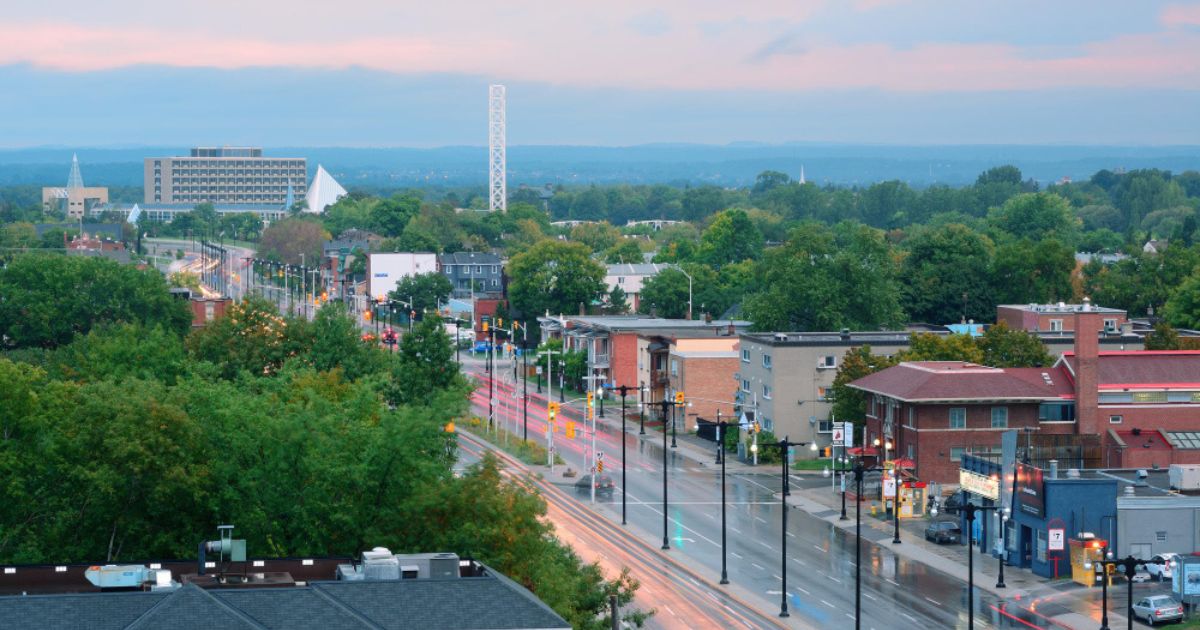
milton keynes middleton, sitting quietly within Milton Keynes, Buckinghamshire, England, is one of those places that genuinely surprises you. Most people pass through expecting a typical residential suburb, yet what they find is a district with real depth shaped by a historic civil parish that was thriving long before the new city took shape in 1967. The area is neatly delineated by Childs Way to the north, Tongwell Street to the east, Chaffron Way to the south, and Brickhill Street to the west, with the River Ouzel threading diagonally through it.
Milton Keynes Middleton strikes a balance that few suburban areas manage blending the energy of central Milton Keynes with genuine open countryside calm beyond Bletchley Lane. The 1970s planned expansions left room for tree-lined avenues and green spaces that still define the community today, giving the area a low-density, secluded quality rarely found this close to a busy town centre. Families here enjoy strong transport links, good shops, reliable schools, and real proximity to open land all within the boundaries of Milton Keynes Village.
History & Name Origin
The roots of Milton Keynes Middleton stretch back to the 11th century, when locals simply called it Middeltone. By the 13th century it had become Middelton Kaynes, reflecting the de Cahaines family who controlled the manor from 1166, with holdings across Ashton Keynes in Wiltshire, Somerford Keynes in Gloucestershire, and Horsted Keynes in West Sussex. Walking through the original core village today, that medieval weight still feels present particularly along Walton Road and Broughton Road, where rural village houses and the famous thatched pub dating to the 13th century still stand.
By the 15th century the name had settled into Milton Keynes, though Mydilton Keynes and Milton Keynes both appear on the same membrane of Plea Roll CP40/764 dated 1452, proving the shortening was gradual. The 17th century brought yet another variation Milton alias Middelton Gaynes before the modern name finally stuck. Today Milton Keynes Village proudly keeps its original road signs, quietly refusing to let Milton Keynes Middleton forget where it came from.
The Fishponds at Middleton Milton Keynes Village
Few people realise that tucked inside Milton Keynes Village are four fishponds that have survived since the early fourteenth century. These were not natural they were carefully constructed artificial ponds, commissioned by Philip de Aylesbury, the lord of the manor of Milton Keynes, who also managed estates across north Buckinghamshire. Originally part of a wider network of earthworks that included a moated site west of All Saints Church, the site now holds full scheduled ancient monument status, protecting its remarkable heritage permanently.
What impresses me most about these fishponds is how cleverly their water management has been updated for modern times. The ponds have been re-landscaped, now fed naturally through rainfall recharging the underlying gravel and surface water run-off from surrounding local housing a genuinely smart modern day solution that honours the original design. Standing beside them in Middleton, you feel the rare satisfaction of watching something ancient remain quietly useful in Milton Keynes Middleton today.
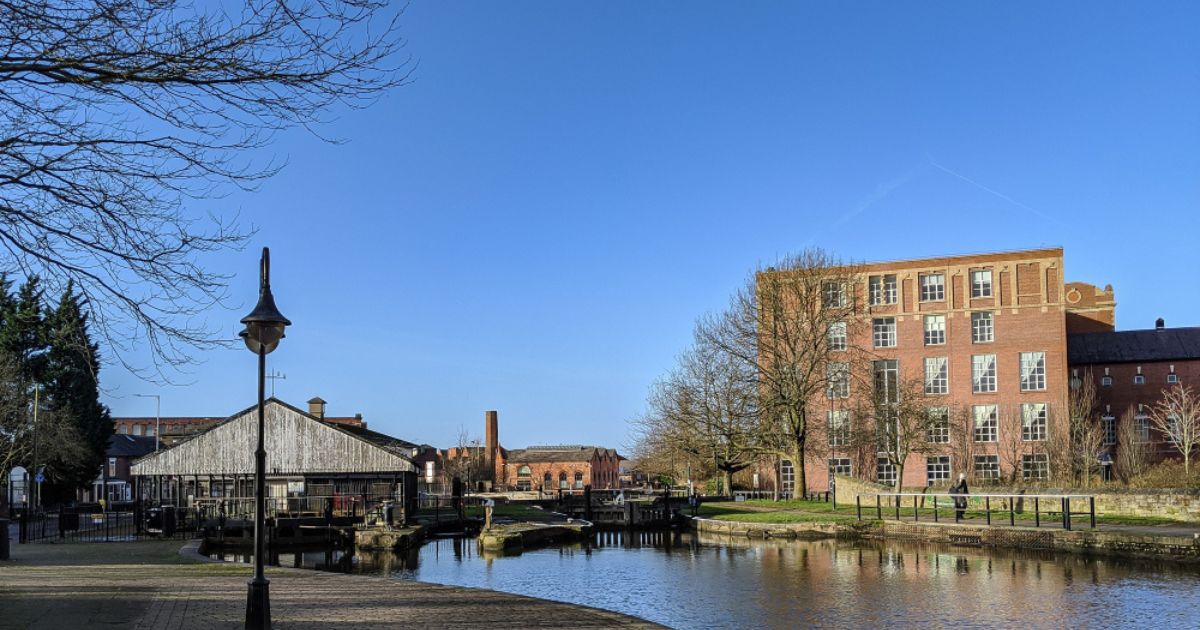
Middleton Woodland Meadow
In 2021, Middleton Park became the setting for one of the most community-driven conservation efforts in the area, when Community Trees MK, Broughton, and Milton Keynes Parish Council joined forces to establish a proper woodland meadow. An extraordinary 5,610 trees were planted through the active involvement of 34 Milton Keynes schools, turning a simple green space into a genuine wildlife habitat. I genuinely believe this project captures what Milton Keynes Middleton does best bringing people together around something lasting.
Alongside the planting, dedicated beetle banks and bug banks were constructed to support insect life, while regular maintenance and mulching sessions have kept schools and home educator groups actively involved ever since. This ongoing connection between the land and the local community is what separates Middleton Park from an ordinary park it belongs to the people who helped build it, and that sense of ownership shows.
Education
Middleton provides its residents with clear, accessible educational options through its two schools Middleton Primary School and Oakgrove School, a well-regarded secondary comprehensive. Both were established in the early 2000s, located in the southwest of the district where they serve the surrounding neighbourhoods efficiently. For any family considering Milton Keynes Middleton, the presence of both schools within the district removes one of the biggest uncertainties that comes with choosing where to settle.
Oakgrove School has developed a strong local reputation, drawing students from across the wider district and beyond. Having two schools built directly into the southwest of Middleton reflects the thoughtful planning that shaped this area education was never treated as an afterthought here, and residents feel that difference daily.
Civil Parish
The civil parish identity of Milton Keynes Middleton carries an interesting tension. During the early development of Milton Keynes city, the district was renamed Middleton to honour the original village yet the civil parish remained formally titled Milton Keynes, administered through a joint parish council with Broughton, known as Broughton and Milton Keynes Parish Council. The parish also covers neighbouring grid-squares including Oakgrove, Fox Milne, and Pineham, while the new city centre falls under the separate Central Milton Keynes parish.
This layered structure is not just administrative detail it reflects the genuine complexity of building a new city around a living original village. The formal retention of the Milton Keynes parish name, even as the district became Middleton, says something important about how Milton Keynes Middleton has always navigated the tension between progress and identity.
Popular City Areas
Milton Keynes Middleton connects naturally to a rich network of surrounding city areas, each with its own character worth discovering. Central Milton Keynes anchors the commercial heart, while Old Wolverton, Wolverton Mill, and Kingston offer contrasting residential flavours nearby.
Areas like Shenley Church End, Tattenhoe, Emerson Valley, and Monkston extend the city’s residential reach, and Wavendon, Willen, Great Linford, New Bradwell, Denbigh North, and Denbigh East complete a genuinely diverse urban landscape. Detailed interactive maps make navigating all these city areas simple and straightforward.
Conclusion
Milton Keynes Middleton is a place that holds its history lightly but never lets it go. From ancient fishponds and a thatched pub on Walton Road, to freshly planted woodland meadows and modern schools in the southwest, this district covers remarkable ground. It is residential without being anonymous, historic without being frozen, and connected without losing its village-like atmosphere and that, simply put, is what makes Milton Keynes Middleton genuinely worth knowing.
FAQs About milton keynes middleton
Q1: Where can I find a Milton Keynes Middleton map?
A: Middleton is a residential area in Milton Keynes, located east of the city center. It is bordered by major roads such as Childs Way and Tongwell Street and includes the historic Milton Keynes Village. Maps are available through local mapping services and council resources.
Q2: What is the history of Middleton, Milton Keynes?
A: Middleton has a long history dating back to the 11th century when it was known as “Middeltone.” Over time, the name evolved into Milton Keynes, which later became the name of the new city established in 1967. The historic village remains an important part of the area’s heritage.
Q3: Are there houses for sale in Middleton, Milton Keynes?
A: Yes, Middleton is a popular residential area with a variety of properties, including modern family homes, detached houses, and village-style residences. Local estate agents regularly list homes for sale in the area.
Q4: What is the Middletons Milton Keynes menu known for?
A: Middletons is a well-known restaurant offering a menu that includes steaks, burgers, grills, seafood, desserts, and family-friendly dining options. Menu items may vary by season and location.
Q5: What is the postcode for Middleton, Milton Keynes?
A: Middleton is primarily located within the MK10 postcode district, which covers several eastern areas of Milton Keynes.
Q6: What is Milton Keynes Village Practice?
A: Milton Keynes Village Practice is a local GP surgery that provides healthcare services such as appointments, prescriptions, health checks, and general medical care for residents in the surrounding communities.
Q7: What is the original Milton Keynes Village?
A: Milton Keynes Village is the historic settlement that gave its name to the modern city of Milton Keynes. The village retains many traditional features, including historic buildings, a church, a village hall, and a thatched pub.
Q8: What villages are included in Milton Keynes?
A: Milton Keynes includes many historic villages such as Milton Keynes Village, Broughton, Great Linford, Willen, Walton, Wavendon, Simpson, Tongwell, Loughton, Shenley Church End, and Woughton on the Green. These villages help give the city its unique blend of history and modern development.
Q9: Why is Middleton popular among families?
A: Middleton is popular because of its modern housing, green spaces, schools, community facilities, and easy access to central Milton Keynes, making it an attractive place for families and professionals.
Q10: Is Middleton part of Milton Keynes Village?
A: Middleton surrounds and includes the historic area known as Milton Keynes Village. The village forms the historic heart of the wider Middleton district.