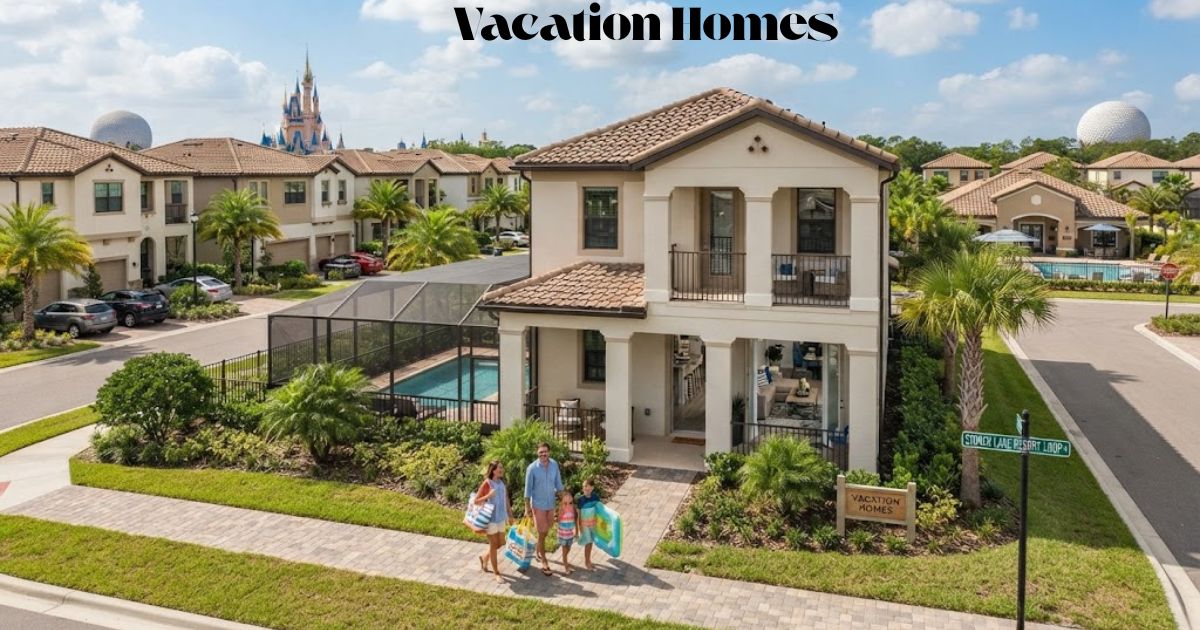
How to buy vacation homes Orlando is the question I hear most from friends who return from a Disney trip with big dreams. I bought my own Orlando vacation home after two rental stays left me tired of paying hotel prices, and I learned plenty the hard way. This guide walks you through the process in simple steps, from choosing a place to collecting the keys.
Why do so many people buy vacation homes in Orlando?
Orlando pulls in more than 70 million visitors a year, and most of them head for Walt Disney World, Universal Orlando Resort or SeaWorld. Those theme parks keep rental demand strong, which makes the area a favorite for a home away from home. Smart buyers see Orlando real estate as both a getaway and a business.
The Orange County Convention Center fills hotels with business travelers, so seasonality hurts less than it does in a beach town. Winter visitors add bookings after summer families leave. I treat my own place as a long game, because a solid Vacation Homes investment in Central Florida real estate rewards patience.
What should I decide before I start looking?
Start by deciding how you will use the home: as a holiday home, a second home, or an investment property. That choice shapes your budget, your location and the rules you can live with. Write it down before you open a single listing.
I keep a vacation home buying checklist on my phone, and it starts with owner usage: some resorts cap your stays while others offer unlimited owner use. Pick your blocked dates for personal use early, so your income projection matches your real calendar. Run conservative estimates, and treat the place like a hospitality business.
Which type of Vacation Homes should I buy?
Pick a condotel or condo hotel unit for the easiest ownership, since the front desk handles most chores. A resort condominium or townhome gives you more space for the money. A single-family pool home sleeps the biggest groups and usually charges the highest rates.
Large families love a multi-bedroom home or a villa with a game area. A luxury vacation home costs more up front, though a waterfront home can earn its premium. I stayed in a themed vacation home with a pirate bedroom, and my kids refused to leave.
Is a brand-new home better than an older one?
Choose new construction if you want a fresh start and fewer repair bills during your first few years of ownership. A resale home often costs less and sits in a mature neighborhood. Either way, compare at least three before you commit.
A furnished home lets you rent within days, while an unfurnished home needs a furniture package and a few weeks of setup. A foreclosure can look cheap, but I always budget extra for repairs. Ask for a written inventory of furnishings so you know exactly what stays.

Where should I buy near the parks?
If you want to buy a vacation home near Disney World, focus on Kissimmee, Davenport and the Four Corners area. Lake Buena Vista sits closest to the park gates. Osceola County covers many of the best-known resorts, and most sit within 20 minutes of the parks.
ChampionsGate and Reunion Resort suit buyers who want golf and big homes, while West Highway 192 sits close to Disney and International Drive sits close to Universal. Celebration and Clermont feel calmer and more residential. Golden Oak sits at the luxury end, behind Disney’s own gates.
Which resorts should I look at first?
Start with Windsor Island Resort, Storey Lake Resort and Solterra Resort, because all three suit renters well. Older names like Windsor Hills, Regal Palms Resort and Emerald Island Resort often cost less. Each has a different feel, so tour a few.
Solara Resort and the Encore Club at Reunion add fancier facilities for higher prices. My first purchase landed in an older resort, and fresh paint plus better photos paid off quickly. Walk the grounds yourself before you fall for a brochure.
Can I rent my home to vacationers?
Yes, but only where short-term rental zoning allows it, and many neighborhoods ban stays under 30 days. A STR-zoned resort removes that worry, because developers designed the community for nightly guests. Always confirm this before you fall in love with a house.
Every short-term rental (STR) carries its own rental restrictions, such as minimum stay requirements and occupancy limits. Read the association rules and the HOA documents line by line, and ask for rental permissions in writing for your exact address. A neighbor’s rules may differ from yours.
What legal paperwork do I need?
Most hosts must meet licensing requirements and registration requirements before the first guest checks in. Your local regulations vary by city and county, so check both with the proper office. Treat regulatory compliance as part of the purchase, not an afterthought.
I learned about laws, taxes and regulations by asking my agent for a county guide. Regulatory risk never disappears, because rules can change after you buy. Keep a cushion in your plan, and check updates each year.
Which taxes will I owe on rental income?
Guest stays trigger Florida sales tax and a tourist development tax that the county sets. Some owners also hear the phrase transient rental tax used for the same idea. Your manager or booking site often collects and sends both for you.
You still carry your own tax obligations, even when a platform collects some of them. Meet a tax professional before your first guest arrives, since missed filings cost real money. I mark every tax registration and filing date on my calendar.
What if I live outside the United States?
Yes, a foreign national buyer can own property in Florida, and many buyers from the UK and Canada do. A live video showing and a remote closing save you repeated flights. Expect extra paperwork and a few more questions from your lender, though.
If the seller lives abroad, you must send the IRS part of the price under FIRPTA rules, a form of withholding tax. Ask your title company to handle it. Lenders also offer a foreign national loan, though it usually needs a bigger down payment.
How much does it cost to own a vacation homes?
Your cost of ownership goes far beyond the sale price, so build an ownership budget before you shop. Expect HOA fees, CDD fees, property taxes, utilities and internet service every month or year. Add them up first, and you will avoid unpleasant surprises.
Upkeep adds more: pool service, landscaping, pest control and furniture replacement all recur. Some resorts also charge membership fees for extra facilities. Set aside maintenance reserves so a broken air conditioner never ruins your year.
What insurance do I need?
Buy property insurance written for rentals, because a standard policy often falls short once paying guests arrive. Add flood insurance where your lender or lot requires it. A short-term rental insurance policy fills the gaps and protects the business side of your purchase.
Ask for liability coverage in case a guest gets hurt, plus business interruption coverage for months when repairs block bookings. Get quotes from two or three agents. I saved real money by shopping around.
How do I finance a Vacation Homes?
Talk to a lender early about financing options, and get mortgage pre-approval before you tour Vacation Homes. Lenders treat rentals as an investment property loan, so expect higher interest rates than for a main residence. A DSCR loan weighs the property’s rent against its debt, not your paycheck.
A second-home loan needs less cash but often limits rentals. Resort sellers sometimes offer vendor financing, so read every term. Use a mortgage calculator, review your Loan Estimate and keep cash reserves for closing costs.
How much can a Vacation Homes rental earn?
Your gross rental revenue equals average daily rate (ADR) times nights booked, so track your occupancy rate and nightly rate closely. Subtract operating expenses, booking platform commissions, booking fees and cleaning fees to find your net income. Honest math protects your savings.
Sellers often blur rental revenue vs owner income, so ask exactly what each figure includes. Request rental history and study comparable listings to test the claim. I trust numbers I can verify more than a glossy pitch.
FAQs
Is a vacation rental worth the money?
It can be when you measure cash-on-cash return and return on investment (ROI) instead of guessing. Strong cash flow helps you first, while appreciation and equity accumulation build long-term wealth over time. Use a short-term rental investment calculator to test each scenario.
Study comparable sales and run a market analysis to gauge rental potential. Pair rental income with passive income goals, set an exit strategy, and weigh portfolio diversification. Include management fees in every estimate.
Who should manage my rental?
A property management company handles everything for a fee, while full-service management covers the work from booking to cleaning. Hands-off ownership suits busy owners and anyone with remote ownership from another state. Self-management costs less but eats your evenings and weekends.
An on-site rental program feels simple, though third-party management may face extra fees at some resorts. Read the rental program agreement closely. Good guest communication, steady housekeeping and quick maintenance coordination earn your trust.
How do I attract more guests?
Great professional photography and a clear listing description win clicks long before guests read a single review. Post on Airbnb and VRBO through each booking platform, and set a smart pricing strategy. Your guest reviews then lift every future search.
Guests expect fast Wi-Fi, a smart TV and a simple check-in process. A turnkey vacation rental delivers that guest experience from day one, which drives guest satisfaction and repeat bookings. Small upgrades pay back fast.
Which amenities matter most to guests?
Guests love a water park, a lazy river, a golf course and a putt-putt course inside the community. Resort amenities also include a fitness center, clubhouse and community pool. A resort-style community with on-site restaurants and shuttle service tops most wish lists.
Security counts too, so look for a gated community with 24-hour security. Inside, a private pool, game room and themed bedrooms thrill families. Concierge services, modern décor, a fully equipped kitchen and professional staging finish the picture.
What are the final steps to buy Vacation Homes?
Read a Vacation Homes buyers guide, hire a vacation home specialist and a buyers agent, and start your vacation home search through MLS listings. Good representation protects you. Do your due diligence before anything else.
Order a home inspection covering the roof and major systems, then make an offer and plan your closing. Take your time. A good vacation rental property rewards that care.