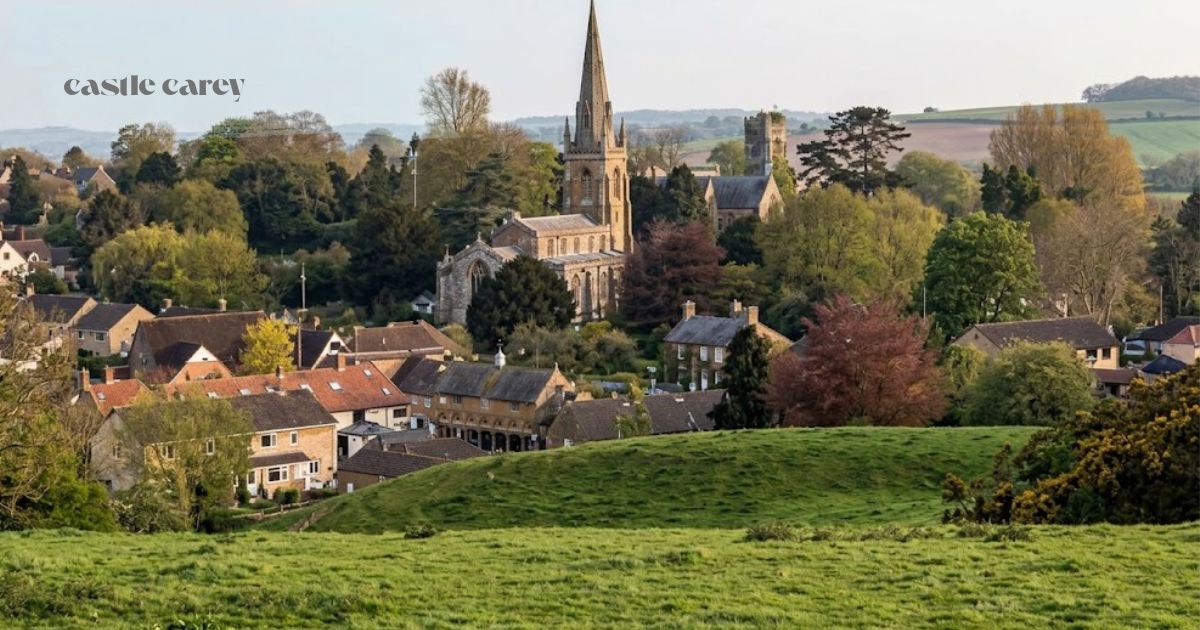
Castle Carey is how many people search for this charming market town, even though locals call it simply Cary, and the name carries a story that goes back centuries.
Sitting quietly a few miles off the A303, the town lies in a secluded spot, quietly nestled in the South Somerset countryside of England, and the golden stone buildings give the streets a warm glow that visitors remember long after they leave. Somerset holds few places with such a rich history, and the 12th-century castle that once stood here no longer exists, though its stone still shows up in the walls of the town centre.
Castle Carey Town
The town actually spans two parishes, Cary and Ansford, and the River Cary rises from Park Pond, its source once part of the old castle moat.
Nestled in this glorious setting, complemented by beautiful landscapes and a tranquil atmosphere, the town feels like a genuine base for exploring the wider region.
Proximity to major attractions such as Glastonbury and Stourhead only adds to the appeal, and the town’s own highlights, from its historic architecture to its independent shops, keep both regulars and first-time visitors coming back.
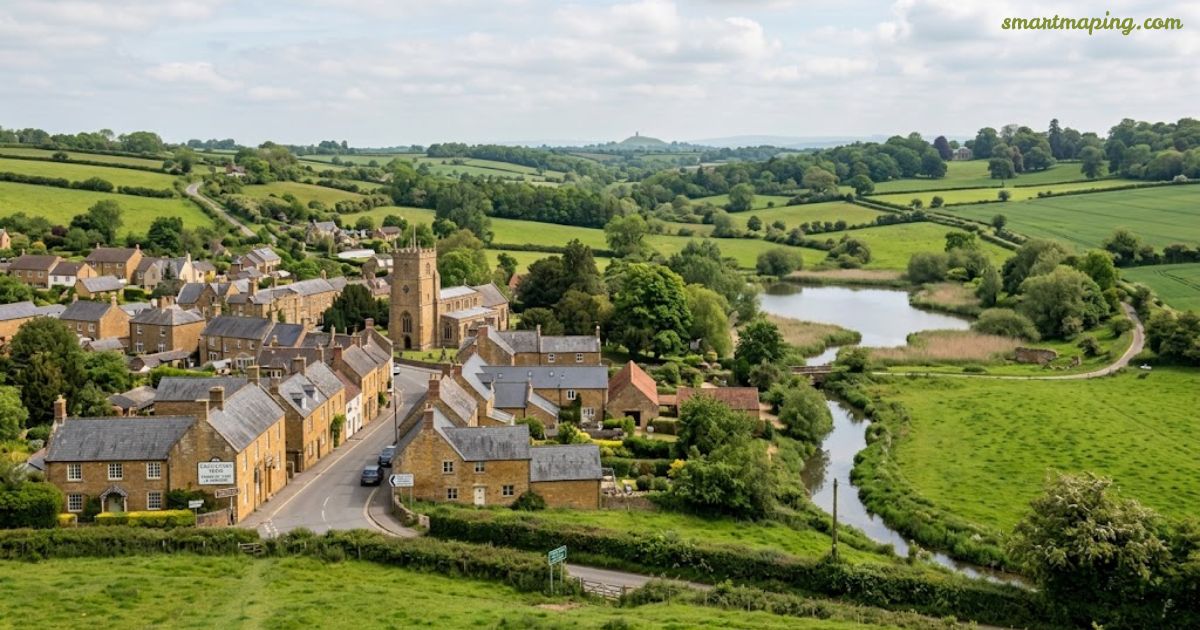
Castle Cary greets every guest with a warm welcome from friendly inhabitants, and the lush countryside around it turns any trip into a relaxing getaway. It stands out as a quintessentially English destination, and few buildings anywhere capture that old-England feel quite the way this town’s castle-era streets do. Whether you come for the shops, the scenery, or simply to slow down, this destination rewards anyone willing to look closely.
The Market House
The Market House dominates the centre of Castle Cary, standing proudly on the High Street across from the thatched George Hotel, one of the town’s oldest buildings. Built in the 19th century, this landmark carries the golden Cary stone façade that gives Cary its warm look, and it now works as a real community hub, hosting exhibitions and other events through the year.
Step inside and the small museum offers fascinating insights into the town’s history, tracing everything back to its medieval roots.
Anyone searching Castle Carey online will usually land on this very spot first. On Tuesday, known locally as Market Day, traders bring fish and organic vegetables right up to the front steps, and the whole market town feels alive with activity.
Down Fore Street and near the Horse Pond, individual, high quality shops, delicatessens, cafes, and restaurants line the way, each one adding its own character. These iconic landmarks, once sold and passed between owners over the years, now form the heart of everyday life here.
The Roundhouse
Behind the Market House, Castle Cary is home to one of the last roundhouses left standing in England, a small piece of historic charm that many visitors walk right past without noticing.
Constructed in 1779, this small, cylindrical lock-up once served to detain prisoners overnight, and it remains one of only four buildings of its kind remaining in the whole country. Today, this quirky Roundhouse stands as a unique structure, a genuine slice of history and a popular photo spot for anyone passing through Cary.
Independent Shops
Castle Cary works as a real treasure trove for shoppers, and its high street feels like a proper haven for anyone chasing unique finds.
Along Fore Street and near the Horse Pond, individual, high quality shops sit beside delicatessens, cafes, and restaurants, each one showing off the community’s creativity and character. Independent stores and small boutiques stock everything from home décor to handcrafted jewellery, so browsing here rarely feels rushed.
Shoppers who type Castle Carey into a search bar are often looking for exactly this kind of street. Bailey Hill Bookshop draws in readers with its eclectic collection of titles, while The Place offers art, gifts, and other artisan goods worth a second look.
Galleries around town show local artisan crafts, and bookshops like these give the whole street its charm. Regular markets bring fresh vegetables, local produce, baked goods, antiques, and handmade items right into the open air, turning an ordinary walk into something closer to a small adventure.
Parking
Parking in Castle Cary stays refreshingly simple thanks to a council initiative that keeps it free on the streets, though stays are capped at two hours near the high street and Market House.
For longer visits, two longer-stay car parks at Catherine’s Close and Millbrook Gardens sit signposted from the main roads, making them easy to find for anyone driving into town for the first time. These small car parks stay low-cost even during busy periods, and it’s advisable to arrive early on market days, since spaces fill up fast once the stalls open.
Walks and Countryside
Walking, rambling, or simply hunting for quiet time comes easily around Castle Cary, since footpaths and trails stretch out across the whole surrounding area.
The Monarch’s Way, the Macmillan Way, and the Leland Trail all cross near Cary, and the same route carries festival-goers on their way toward Glastonbury. For wider views, a stroll up Lodge Hill rewards anyone with panoramic views over the town and the beautiful countryside beyond.
Nature lovers can also explore the Carymoor Environmental Centre, where guided walks and educational activities focus on sustainability and conservation in the countryside nearby.
Town Name, History & the River Cary
Local folk still debate the exact origin of the name Castle Cary, though most agree it ties back to the 12th century castle that no longer exists today. What remains are scattered pieces of stone built into the buildings of the town centre, quiet reminders of a much older town. The settlement actually covers two parishes, Cary and Ansford, and the River Cary rises at Park Pond, its source sitting on the original castle moat.
Notable Residents
The celebrated diarist Parson James Woodforde, who lived between 1740 and 1803, called Ansford home for much of his life. Years later, Douglas Macmillan, founder of Macmillan Cancer Support, lived in Cary himself, adding another chapter to the town’s list of notable names.
Why is Castle Cary Worth a Visit?
Castle Carey is genuinely worth visiting for its delightful mix of history, culture, and countryside charm, and the location amid rolling hills makes it an excellent destination for both walkers and nature lovers.
The iconic Market House and other historic buildings carry a heritage that dates back centuries, giving the town real weight beyond its pretty picturesque scenery.
Somerset rarely offers a better haven for those chasing local produce, independent shops, or simply a peaceful retreat, and whatever brings you here, the visit tends to turn into a memorable experience that lingers long after you leave.
Cadbury Castle
History buffs will want to add Cadbury Castle to their list, an ancient hillfort long rumoured to be the legendary site of Camelot. The climb counts as a moderate hike, but it pays off with stunning views across the Somerset Levels and the Dorset Downs. All told, it makes for a genuinely rewarding outing.
Getting There
Castle Carey, or Castle Cary as it’s properly spelled, sits conveniently located near several major transport routes, making it easily accessible for visitors. By road, the A303 gets you there in about 40 minutes from Bath or roughly an hour from Bristol.
The railway station also runs direct train services to London Paddington, turning this into a truly convenient destination for anyone travelling from further afield.
FAQs
Is Castle Cary worth visiting?
Yes, Castle Cary is genuinely worth visiting for its rich history, golden stone buildings, and countryside charm that make it an excellent destination in Somerset.
Does Castle Cary have shops?
Absolutely, Castle Cary’s high street is full of independent shops, boutiques, and delicatessens, making it a real treasure trove for shoppers.
What is Castle Cary famous for?
Castle Cary is best known for its iconic Market House, historic Roundhouse lock-up, and golden stone historic architecture set in the South Somerset countryside.
Is there a good place to live in Castle Carey?
Many find Castle Cary a peaceful retreat with friendly inhabitants, independent shops, and a tranquil atmosphere perfect for a slower pace of life.
Where is the prettiest place in Somerset?
Castle Cary is often named among Somerset’s prettiest spots thanks to its picturesque scenery, golden stone streets, and beautiful countryside views.