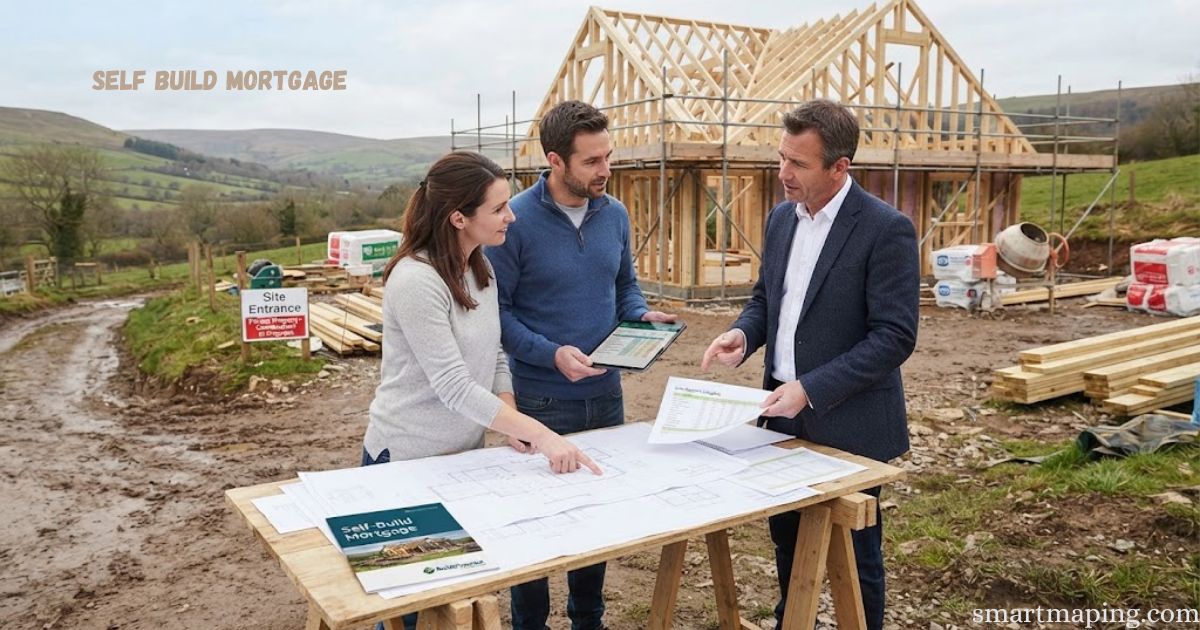
A self build mortgage supports you at each step of building your own home. Most self-builders don’t have enough cash to pay for everything, so they raise money on another property or arrange a loan.
Traditional mortgages don’t suit these projects, because constructing a home is nothing like buying one on Rightmove and moving in a few months later. Your lender also wants the finished house to meet all building regulations, so plan for that from day one.
How Self Build Mortgage Finance Works
A self build mortgage works differently from a standard residential mortgage. On completion day, a normal lender sends all the money to your solicitor, who passes it to the seller’s solicitor. With a self-build, the first funds released cover the plot, and you need your own money to start the build afterwards. Every lender wants security, so it places a legal charge on your plot or property.
Because the plot alone rarely covers the whole loan, lenders release money in agreed stages. Check whether each stage arrives in arrears or in advance, since poor timing causes cashflow problems, delays, and extra costs.
Project Planning and Contingency
Good project planning starts with a clear vision of what needs to happen, when, who does it, and what it costs. Set aside a contingency of at least 10% of your overall budget for unexpected costs, such as additional foundation requirements or delays.
Many project managers suggest 15-20% of the total build cost, and I’d lean toward that higher figure. Bad weather, contractor delays, groundwork issues, and rising material prices can all eat into your funds, and lenders want to see a contingency plan before they lend. They will also ask where you will live during the build, whether renting, staying with family, or in a static caravan on site.
Insurance, Fees and Other Costs
Self build insurance protects you from big risks. Public liability insurance covers death, injury, and loss arising from your building work, while employer’s liability insurance matters when a sub-contractor has an accident on site. Contract works insurance covers theft, vandalism, fire, flood, and storm damage, so review every policy with your broker before work begins.
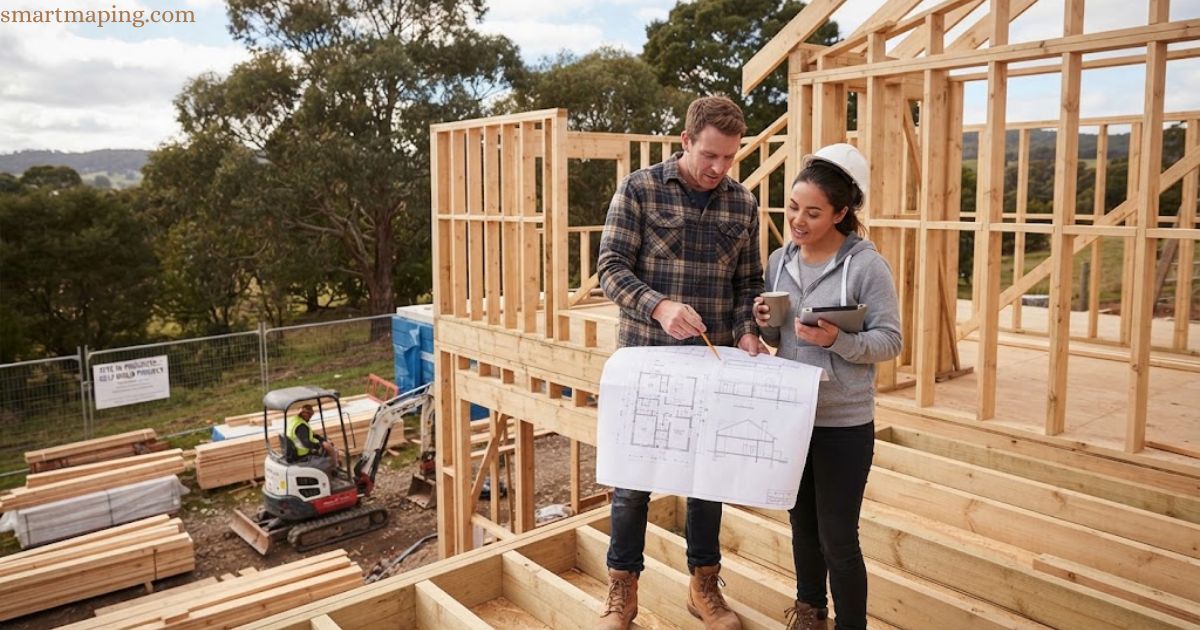
Expect a product fee, which is either a fixed sum or a percentage of the amount borrowed, and an early repayment charge of about 2% if you switch lender within two years. Brokers may add a fee, and lenders charge for each valuation and re-inspection at stage payment points. You will also owe Stamp Duty Land Tax, and need to budget for architect fees, planning fees, and mains connections for electricity, gas, and water. Ask each provider for connection estimates early, since waiting times can be long.
Self Build or Custom Build?
A self build means you own or receive a plot, then hire a main builder or project manager to organise the trades. Some owners choose a turnkey build, where one builder finishes the house for a fixed price. Custom build usually means a plot where a landowner has already won planning permission, and you choose from pre-agreed designs. Lenders often accept the costs more easily here, since the developer agrees most figures up front.
Cost-Based or Valuation-Based Borrowing?
Valuation-based borrowing relies on the site’s valuation and often releases 60 to 80% of that figure. That creates uncertainty, and it can cause a standstill when you can’t cover contractors’ costs. Cost-based borrowing links stage releases to the real cost of work, with some lenders paying 95% of build cost, so every drawdown is known in advance.
Richard Crisp of Mansfield Building Society says this gives real peace of mind, and I agree, because knowing your money arrives on time lets you plan with confidence.
Where to Find a Lender
Regional building societies offer most self build mortgage deals, and their manual approach suits complex builds well. The choice is wide, so talk to a specialist mortgage adviser who knows the lenders and products and can guide you through them.
Finding a Plot
Start with Plotsearch and call estate agents often to stay on their radar. In expensive areas, demolishing a poor quality house, such as an old bungalow on a large plot, can work, but speak to the local planning office first. Order a land survey and ask your solicitor to check utilities.
Avoid flood plains, and check brownfield sites for contamination, restrictive covenants, and ransom strips. An auction usually asks for a 10 per cent deposit on the day and the balance within 28 days, so get your finance in place before you bid.
Design and Building Approach
Your design shapes everything, so learn about style, materials, heating, and insulation before you commit, and respect the local planning authority’s wishes. Most people hire an architect and confirm the fee in writing.
Next, pick your building approach: a package company, a main contractor, a project manager, or managing labour and materials yourself. Timber frame is popular, brick and block is traditional, and alternatives include SIPs. Energy efficient homes may qualify for a discounted rate from some lenders.
Planning Permission and Regulations
Ask your local planning officer for pre-application advice before spending on drawings. Secure Outline Planning Permission before you buy, but remember it lasts three years.
Full Planning Permission sets out exact plans, and decisions usually take eight weeks. You also need building regulation approval before work starts. VAT doesn’t apply to self build homes, and you can reclaim it on conversions, so keep every receipt.
Deposit and Borrowing Limits
Lenders ask for a 20 to 30 per cent deposit on a new plot, but if you already own the land, its value acts as your deposit. Many lenders offer around four and a half times gross income, subject to affordability checks. To qualify for a self build mortgage, you need planning permission, building regulation approval, and site insurance in place.
Stage Payments and Drawdown
With a self build mortgage, stage payments usually arrive in arrears, so you fund each stage first and the lender pays afterward once a valuer signs it off. Advance payments suit timber frame builds but carry higher rates. Borrowing in stages saves interest, since you pay only on what you draw. Lenders care about build quality because they must sell unfinished properties, so choose a self build mortgage lender who assesses plans individually.
FAQs
Is it hard to get a self build mortgage?
It’s more demanding than a standard mortgage, as lenders want planning permission, a fully costed plan, and a solid deposit. With good preparation and a specialist adviser, it’s very achievable.
What salary do I need for a 300k mortgage?
Lenders often offer around 4.5 times gross income, so you’d need roughly £66,700 on a single income, or less with a joint application. Your spending, debts, and credit record can change this.
Which banks offer self-build mortgages?
Most self build mortgage loans come from regional building societies, with a few specialist lenders and banks joining in. A specialist broker can match you with the right lender for your build.
How much deposit do I need for a self-build mortgage?
For a new plot, expect 20 to 30 per cent as a minimum deposit. If you already own the land, its value usually counts as your deposit, so your dream home can start sooner.
Is 45 a good age to be mortgage free?
Yes, it’s a strong milestone that brings real financial freedom and peace of mind. Whether it’s realistic depends on your income, mortgage balance, and savings.