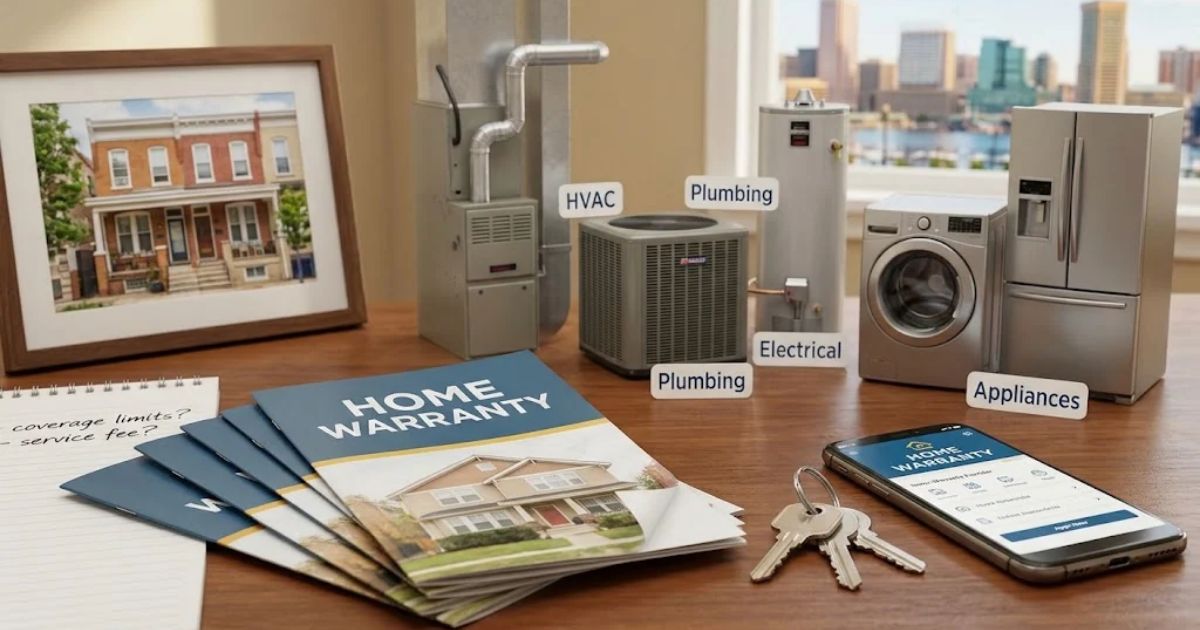
Home warranty plans give Baltimore homebuyers a way to prepare for unexpected repair costs after move-in day. I have walked many buyers through this choice, and the smart ones read first and sign later. These tips help you decide with real peace of mind.
What Is a Home Warranty?
A home warranty is a service contract that pays for repair or replacement when covered items break from normal wear and tear. You pay a monthly premium or annual premium, and the warranty provider handles the rest. It protects your covered systems and appliances, not the house itself.
Each warranty plan lives inside a warranty agreement, and that warranty contract controls every claim. The paperwork lists coverage options, coverage limits, and exclusions. Check the service fee too, because you pay it every visit.
How Does a Home Warranty Claim Work?
You file a claim submission online or by phone and pay a service call fee. The company sends a licensed technician from its local contractor network to your door. Then claim approval decides whether the company pays for the fix or denies it.
Follow the claim procedures exactly, because skipped steps slow everything down. Some plans let you choose your own contractor, but many prefer their own crew. Ask for a reliable professional who knows your system, and note every call.
What Does a Home Warranty Cover?
Most plans cover heating systems, air conditioning, plumbing systems, electrical systems, and water heaters. Many also add kitchen appliances and laundry appliances to the list. Coverage depends on the plan, so read the full list before you pay a cent.
Some Baltimore plans add service lines, including water lines, sewer lines, natural gas lines, and electric lines. Others focus on major appliances like refrigerators, ovens, dishwashers, washers, and dryers. Pick the plan that matches what your house really has.
Which Home Systems Does a Warranty Protect?
A warranty protects the working machines inside your house, not the walls, roof, or building around them. That list includes HVAC systems, furnaces, ductwork, pipes, and plumbing stoppages in most plans. Compare each item against the home systems list in your plan.
Electrical coverage can include wiring, fuse boxes, and some fixtures. Older houses often hold mechanical systems that wear out together, so heating and cooling systems deserve extra attention. I tell buyers to count the aging systems and aging appliances during the walkthrough.
Is a Home Warranty the Same as Homeowners Insurance?
No, a warranty is not insurance, even though both protect your money. Homeowners insurance is an insurance policy that pays for property damage and liability risks, while a warranty pays for worn-out equipment. Most owners hold both, and neither replaces the other.
Home insurance responds to sudden covered events like fires, storms, theft, and other disasters. It guards your home structure and personal belongings. Mortgage lenders demand insurance, never a warranty, so a plan stays optional coverage.
Is a Home Warranty Required in Maryland?
No. A Maryland home warranty stays optional, and mortgage lender requirements cover insurance, not warranties. Jerry reports that warranty companies are not regulated by the state. You alone decide whether to buy a plan, and your lender will not ask.
So verify the provider yourself and read the contract line by line. Ask whether the company is licensed in Maryland before you send money. A BBB accredited badge helps, but it never replaces your own checking.
Why Do Buyers in Baltimore City Consider a Home Warranty?
Baltimore, MD has many aging homes and historic homes, and old parts fail more often. A plan gives new Baltimore homeowners a cushion against surprise bills after closing. That cushion helps most during the first year of ownership, when savings run thin.
Picture historic row houses in Fells Point and Federal Hill, or older service lines under stately blocks in Roland Park and Guilford. Those houses charm everyone, yet they raise home maintenance needs. The diverse housing market and architectural diversity mean no two houses age alike.
How Does Baltimore Weather Wear Down Your House?
Hot, humid summers and cold winters push heating and cooling equipment hard every year. That seasonal weather shortens the life of units that run almost nonstop. Local weather conditions make a service plan more useful for homes with older units.
Waterfront living near the Inner Harbor or other waterways can add moisture problems. I suggest seasonal maintenance each spring and fall, plus an HVAC tune-up before summer. Preventive maintenance also keeps claims smooth, because companies often ask for maintenance records.
Is a Home Warranty Worth It?
It depends on your house and your savings. A plan makes sense for an older home with tired systems, or when a big bill would hurt. It makes less sense for new construction, where the builder often covers early problems.
Weigh the pros and cons honestly before you spend a single dollar. You gain predictable repair costs and budget-friendly coverage, yet you accept limits. For an existing home, ask your agent how old each system is.
When Should You Skip a Home Warranty?
Skip it when a manufacturer warranty or builder warranty already covers the item. Otherwise you pay twice for duplicate coverage on the same dishwasher or furnace. Skip it too if the fine print excludes the exact problems you worry about most.
I share the rules for when to skip a home warranty with every client. Consumer Reports suggests self-insuring, which means you save the premium in emergency savings or a rainy day fund. Some cards also add an extended warranty, so check your credit card protection first.
What Does a Home Warranty Not Cover?
Plans usually exclude pre-existing conditions, cosmetic defects, improper installation, and routine maintenance on covered items. They also skip structural components such as foundations and roofs, which cost far more to fix. Read the whole exclusion list twice before you sign anything.
Companies issue denied claims when a repair looks like skipped upkeep. They also apply dollar limits per repair and cap yearly payouts. Ask about coverage denial reasons upfront, and request real examples from the sales rep.
How Much Does a Home Warranty Cost?
The cost of a home warranty changes by company, plan, and location, so no single price fits everyone. NerdWallet makes the same point in its guide to buying a plan. Compare plan pricing from at least three companies before you decide.
Smart shoppers compare providers on price, limits, and speed. Check provider reputation and read customer reviews from independent sites, because company testimonials lean positive. Bankrate urges caution with online reviews, so compare multiple providers across several sources.
Who Pays for a Home Warranty When You Buy a House?
Either side can pay, depending on the deal you strike. In some sales, buyer and seller work out a seller-paid warranty during seller negotiations, and the negotiated purchase agreement records it. You can also buy a plan yourself after settlement.
Ask your real estate agent or REALTOR to place the request in the purchase agreement early. Sellers sometimes agree because it costs less than repair demands after the home inspection. Smart negotiation strategies trade it for other closing costs or fixes.
How Does a Warranty Fit Into the Home Buying Process?
Place it on your home buying process timeline, well before the closing process begins. Start shopping while you wait for your mortgage approval and the appraisal results. Early shopping leaves room to compare plans calmly instead of rushing at the table.
Use a homebuyer checklist and a home purchase guide to track tasks. First-time home buyers often forget budgeting for home purchase, so add the premium to your monthly numbers. Financing options and hidden costs deserve the same attention.
How Does Neighborhood Research Change Your Choice?
Neighborhood research shows the age of homes on a block and the repairs neighbors report. Talk to nearby homeowner families, other homebuyers, and check permit records. Those details show which houses likely hide costly surprises behind fresh paint.
Watch market conditions too, since a hot market can push buyers to skip inspections. Landlords eyeing an investment property should price coverage into rent math. Good planning supports long-term homeownership and keeps your budget steady.
What Else Do Baltimore Buyers Ask About Home Warranties?
How Do You Spot Home Warranty Scams?
Treat any surprise renewal notice as a red flag. The Maryland Attorney General warned about scam letters and deceptive letters that claim a plan is expiring, even for people who never bought one. Never call the number on a final notice.
The Consumer Protection Division issued a consumer alert about this trick. Hang up on unsolicited calls, and reach your lender or provider through a number you already trust. That simple habit blocks the scammer’s main tool: pressure.
What Can You Fix Yourself Before Calling a Pro?
Many small home repairs fit DIY repairs, such as changing a furnace filter or clearing a slow drain. Handle those yourself and you save a visit fee and an afternoon. Call your plan for anything involving gas, wiring, or major parts.
Follow basic plumbing tips, and learn AC troubleshooting steps like checking the thermostat and filter. Know each appliance lifespan, because appliance replacement becomes likely near the end. Keep cash ready for emergency repairs that your plan won’t cover.
How Long Does a Home Warranty Last?
Many plans run for one year and then renew, but your agreement sets the exact term. Some start after a short waiting period, so read the start date. Mark the renewal date on your calendar the day you sign.
Renewal letters can look urgent, so compare them with your own paperwork. Prices can change at renewal, which makes yearly shopping smart. I review my own coverage every spring and cancel what I no longer need.
Who Should Review the Contract With You?
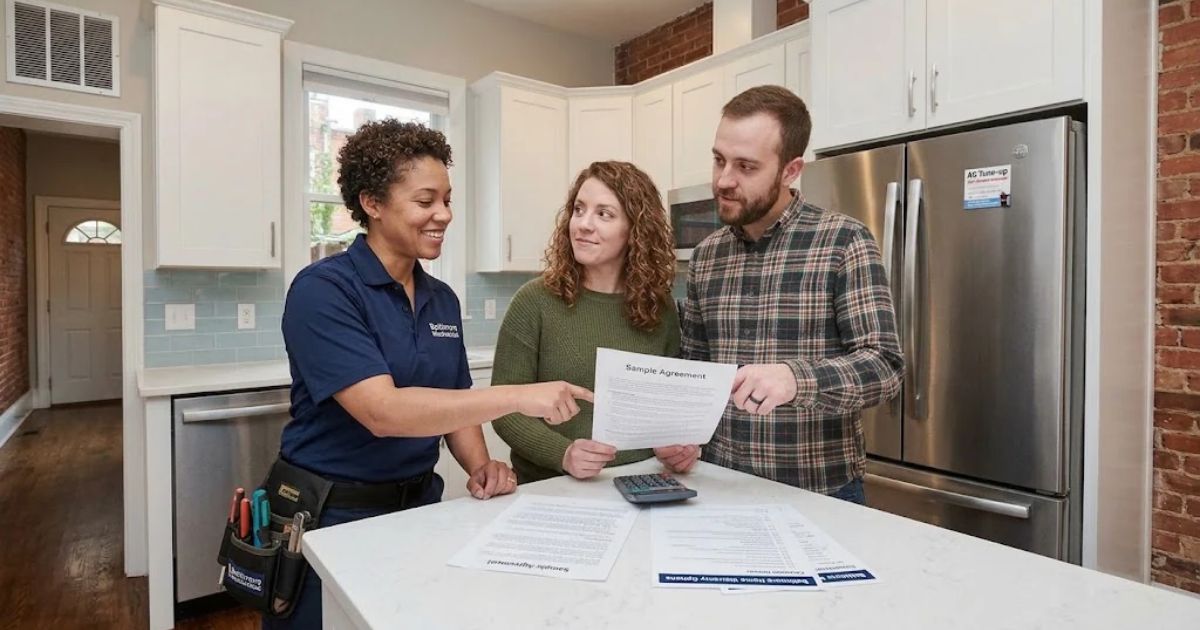
Ask your agent or a trusted friend to read it with you. A second pair of eyes catches odd wording, hidden fees, and unclear deadlines fast. A real estate attorney can also explain any language that confuses you.
Bring a short list of questions, and write down every answer you hear. Ask the company to put promises in writing before you pay. A friend of mine skipped that step once and spent weeks arguing over a verbal promise.
Can You Cancel a Home Warranty?
Many companies let you cancel, but rules and refunds differ by contract. Check the cancellation clause before you pay, and screenshot it for your files. Ask whether the company prorates refunds if you leave early.
Cancel in writing and keep a copy for your records. Track refund dates because delays happen. If the company stalls, contact your state consumer office for help.
Do These Tips Work Outside Baltimore?
Yes. Maryland buyers in Catonsville, Ellicott City, Columbia, Lutherville-Timonium, and Glen Burnie face the same choices. The same steps guide Maryland homeowners everywhere, from starter condos to large family homes. Only the age of the house and the local weather change the math.
In Montgomery County, buyers in Rockville, Bethesda, Potomac, Silver Spring, and Gaithersburg hear the same advice, as do buyers in Frederick. Local Maryland real estate agents know which neighborhoods hold older systems. Ask them for a block-by-block list before you make an offer.
Should You Get a Home Warranty After All?
Get one if your house has older gear and your savings feel thin. Pick a home protection plan that fits your budget, then protect your investment with steady upkeep. Skip it if newer appliances already carry cover from the maker or the builder.
Good coverage supports financial security and keeps your functional living space running smoothly. Write down your plan’s phone number and limits, then store them near your breaker box. With these tips, you walk into closing day ready for whatever the house throws at you.